Losing my dad to alcohol
I grew up in a home shaped by alcohol. My dad was an alcoholic, so from a young age I learned to take on responsibilities that shouldn’t have belonged to a child.
I had to grow up quickly. I became the one who watched over my dad when he couldn’t look after himself, the one who tried to keep things steady in a home that felt anything but predictable.
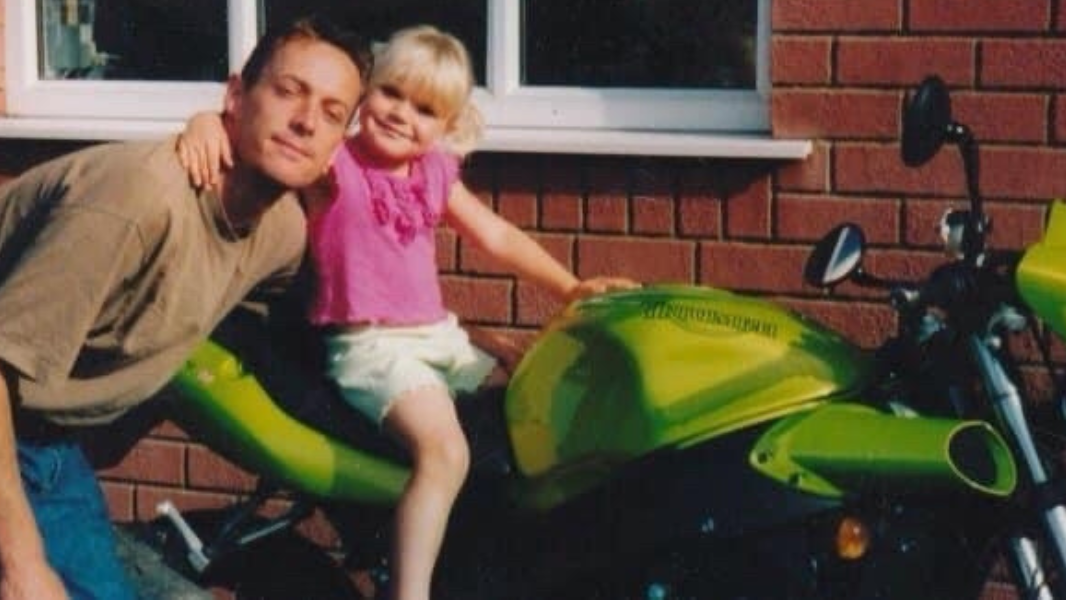
There was love there – real love – but it was tangled up with fear, confusion, and exhaustion. My dad was a very funny, loving man who often put other people’s needs, including mine, before his own.
He loved music, films, and being outdoors. He was a big walker, happiest when he was out in nature. Those were the parts of him that felt warm and safe.
But he also loved alcohol more than any of that.
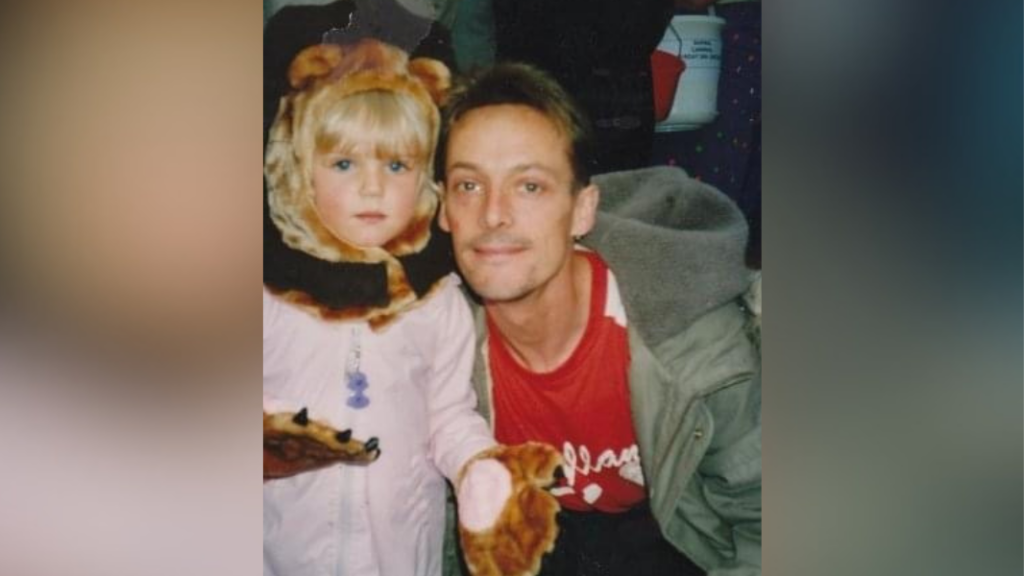
I learned to tread carefully
A lot of what I experienced felt normal to me at the time. We’d often go to the pub together and spend hours there as he drank pint after pint, and I thought that was just what families did.
I’d carry him home when he couldn’t walk properly. I’d wait for him to wake up after passing out on the couch. I learned to tread carefully around him when he was drunk because his temper could flare quickly.
As I got older, his drinking became heavier and more constant – beer, vodka, litres of cider, sometimes starting as early as nine in the morning.
I didn’t realise any of this was unusual; it was simply my life.
He couldn’t acknowledge his disease
His drinking didn’t just affect him; it affected me deeply. I struggled with my own mental health and self‑harm as a teenager, and even then, he couldn’t see past the bottle.
He chose alcohol over me, even when I was hurting. He couldn’t acknowledge his disease. He blamed my mum, or circumstance, or anything except the addiction that was destroying him.
He needed help, but he would never accept it.
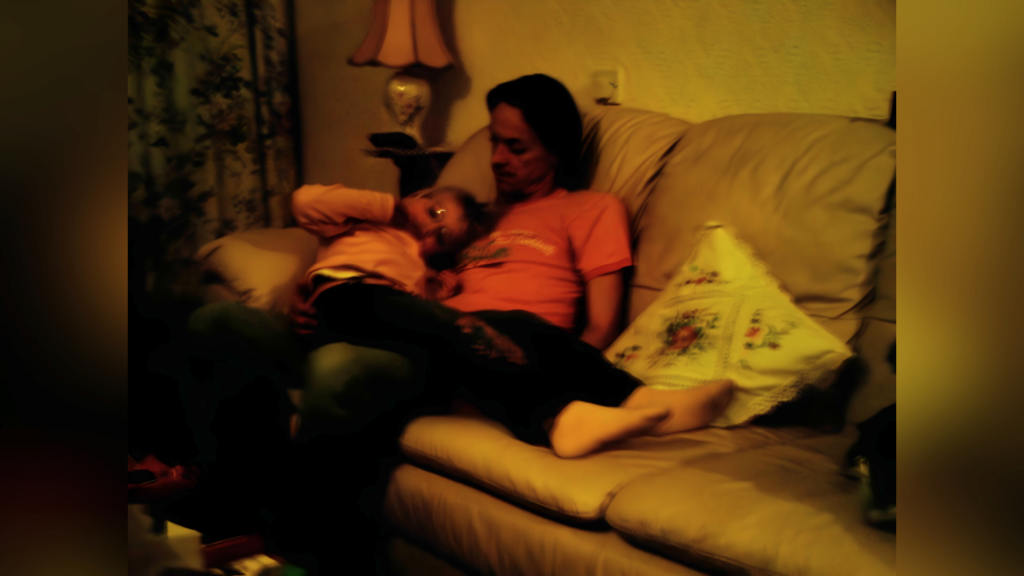
Losing a parent to alcohol brings a complicated mix of emotions
When I was 17, my dad died from cirrhosis of the liver. Losing a parent at that age is devastating, but losing one to alcohol brings a complicated mix of emotions that are hard to explain.
I felt deep sadness – for him, for what he struggled with, for everything alcohol took from our lives. But I also felt something I didn’t expect: a sense of freedom.
His drinking shaped my life, and his absence shaped it too
It was bittersweet. His death meant the end of the chaos and responsibility I had carried for so long. It meant I could finally step out into the world without feeling tied to what was happening at home.
That freedom allowed me to travel far from where I grew up, to study, to try new things, to embrace independence in a way I had never been able to before. It wasn’t that I didn’t love him – I did. But his drinking shaped my life, and his absence shaped it too.
There’s so much he hasn’t seen. My 18th birthday. My first car. My graduation. The person I’ve become.
Sometimes it hits me out of nowhere – the weight of everything he missed and everything he’ll never be here for. And yet, in some ways, I still carry him with me.
My dad loved the outdoors, and honouring him through walking feels right.
My dad loved the outdoors and honouring him through walking feels right. It connects me to the parts of him that were gentle, grounded, and free from alcohol’s grip.
Through walking, I’ve begun to find a community of people who understand and share similar stories.
For a long time, I didn’t realise that other children of alcoholics carried the same contradictions: grief mixed with relief, love mixed with anger, responsibility mixed with trauma.
I didn’t know my feelings were normal.
I realised there were others like me
It wasn’t until after my dad’s death, when I began searching for answers, that I found Nacoa.
I realised there were others like me – people who had lived through similar childhoods: the unpredictability, the silence, the guilt, the complicated grief.
People who understood what it meant to lose a parent to alcohol and still be figuring out the impact years later.
Finding Nacoa helped me make sense of things I had carried quietly for nearly all my life.
It gave me language, community, and permission to acknowledge parts of my story I had never said out loud. And it inspired me to do something with my experience – not just for myself, but for others who might still feel the way I once did.
Taking part in the Big Nacoa Walk was a turning point. Walking with people who had lived through similar things was powerful.
Hearing their experiences helped me see my own more clearly, and it helped me understand – and slowly forgive – the pain my dad caused, knowing how much he was hurting too.
I want my story to help others
I’m still learning childhood trauma doesn’t disappear just because you grow older. Understanding your past, your grief, and your identity as an adult child of an alcoholic is an ongoing process.
But I’ve reached a place where I want to turn my story into something that helps others.
I’m working on a book, exploring what it means to grow up with a parent who drinks, what it means to lose them, and what it means to rebuild yourself afterwards.
Writing has become a way of making sense of the past – and a way of offering something to anyone who might need it.
I’m also organising the Nacoa walk in Hathersage, something that feels deeply meaningful. It’s a way of honouring my dad, supporting the charity that helped me feel less alone, and creating space for others to connect, share, and feel understood.
It’s for children like me – children who grow up carrying too much, feeling too responsible, and believing they’re the only ones.
I wish I had found Nacoa sooner
Over time, I’ve begun to understand things I couldn’t see as a child – that none of what happened was my fault, and that I was never responsible for fixing something I didn’t break.
Why am I sharing my story now? Because I know how isolating it can feel when you think you’re the only one.
Because I wish I had found Nacoa sooner.
Because I want other children of alcoholics to know that their feelings – all of them, even the complicated ones – are valid.
And because even after everything, I believe in the possibility of healing.
I’m still growing, still finding my voice. But I’m not alone anymore. And if sharing my story helps even one person feel the same, then it’s worth it.
If you’d like to support the Hathersage Walk or join us, you can find more information on Eventbrite.
Jasmin
To read more experience stories, please go to Support & Advice.