Reclaiming my dad from his alcoholism
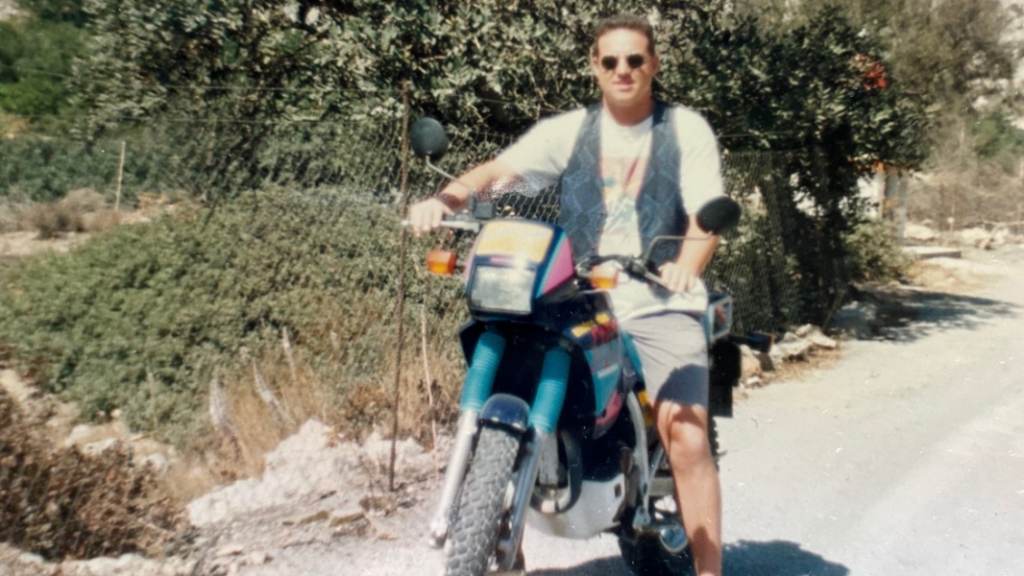
My dad was a civil servant. Growing up, I was so proud of it, proud enough to tell anyone who’d listen what he did, and that he was brilliant at “maths and computers”. He was also one of the kindest, gentlest people I’ve ever known.
Some of my clearest memories of him are set in the car, the two of us singing along to whatever he was listening to: Foo Fighters, Fatboy Slim, The Prodigy, Pulp. A crazy range of music for one parent-child duo. I have him to thank for the fact that I can listen to almost anything today.
We watched a lot of Studio Ghibli together, too. My Neighbour Totoro was my favourite. It still makes me emotional, and nothing makes me feel closer to him than hearing the score.
It’s only now, writing this, that I’ve noticed how poignant it is… My Neighbour Totoro is a story about two children whose mother is living with a long-term illness. I was going through something similar at the time, in my own way, without really understanding it.
Dad had his ways of showing love
He loved cooking, messily, joyfully.
We built a dollhouse together and painted the wall behind it blue, to look like the sky, even adding clouds and a big sun. He’d take me to the local park for picnics on the little hill.
He had his own strange ways of showing love, too, like trying to teach me to code at five. Sorry, Dad. It didn’t quite take. Though I do work in the public sector now, something clearly rubbed off.
He once took me to see the Houses of Parliament as a child. I find myself there for work regularly, and I always think of him when I walk through the gates.
That’s the dad I’m trying to hold onto. It’s also the one who got hardest to see clearly, the older I got.
When alcoholism became part of how I remembered him
Dad was an entirely different person when he drank. That person wasn’t him.
He passed away when I was nine. I insisted on going to school the next day, because I hadn’t processed what had happened at all. I knew my dad had problems with his head.
I knew that sometimes he’d get angry and shout, and that he’d been in and out of hospital. But as a child, it never once crossed my mind that any of it would kill him.
When it happened, my mum had already moved my brother and me into my nan’s flat. As far as I knew, dad was just having one of his “funny periods” again.
I didn’t understand what that meant, but dying wasn’t part of it, at least not in my head. Then my mum picked me up from ballet class and told us his body had “stopped working”, that he had passed away. I remember being overloaded and confused.
My dad was ill, yes, but not that ill. My brother was too young to understand any of it and just wandered off to his room to play with his toys.
Things started to make sense
It wasn’t until I was at a grief camp, a wonderful place, designed for children who’d lost a parent or sibling, that things started to make sense.
I met other kids who’d been through something similarly devastating. All of us learning, in whatever child-friendly way they could manage, how to survive the wreckage that comes with losing a parent too young.
We threw paint at walls and sang songs aboutour loved ones. But I remember wondering why my story felt different from theirs. Everyone else’s person had died of an illness. Mine just drank.
I didn’t know what to do with that. I started questioning everything. Their parents or siblings had died because they were unwell, and nothing could have changed that. But my dad was different, as I thought. He’d chosen to drink, knowing it would eventually kill him.
As a child, I didn’t understand addiction. I understood his actions. And so, I asked myself the only questions my child’s brain could form:
- Why couldn’t he stop?
- Wasn’t I enough of a reason?
- Was there something I could have done differently?
- Why wasn’t I good enough for my own dad?
The blame I carried
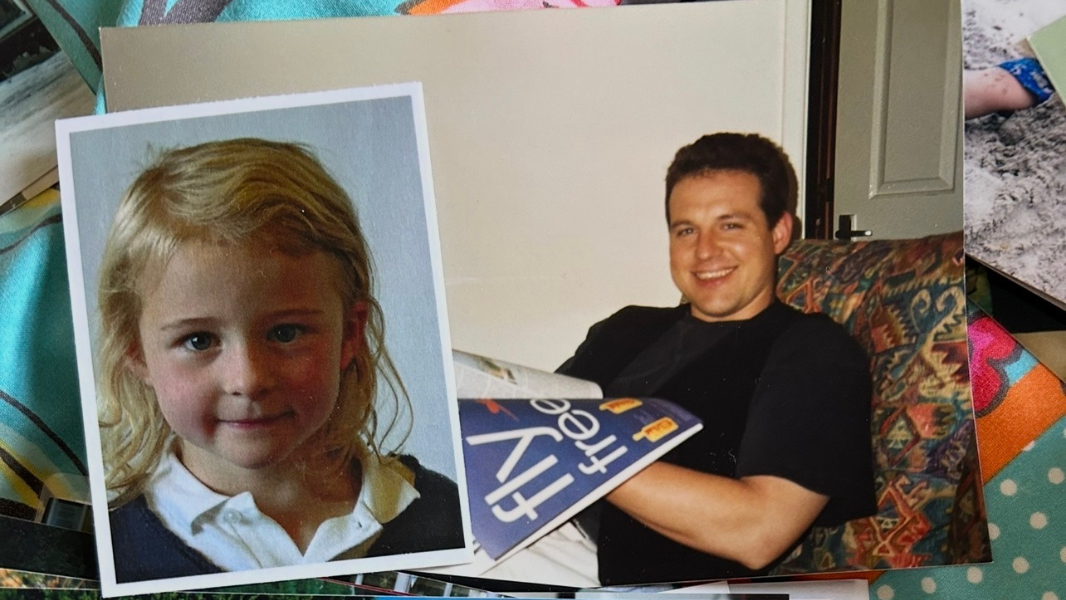
When I look back at photos of myself from that age, I see how unfair those questions were, how much weight I was putting on a little girl who didn’t deserve any of it.
That blame followed me through the rest of my childhood and all my teenage years. I developed serious mental health problems, and was diagnosed with anorexia nervosa at thirteen, something I spent over ten years in intense treatment for.
At its root was the belief that I wasn’t deserving of life, that I could slowly starve myself and shrink away, because I hadn’t been good enough for my dad to stop drinking and stay alive for me.
The moment it clicked for me came in my own recovery. My mum was pleading with me, just eat, just eat, please, and I remember thinking how simple that must have sounded to her, how obvious the solution seemed from the outside, and how she would never understand how it felt.
And then I recognised it. That was the exact same question I’d silently asked about my dad for years: why couldn’t he just stop drinking? I was living a similar compulsion myself now, except I wasn’t addicted to alcohol. I was ill, stuck in my own vicious cycle.
Coming to terms with his alcoholism
It’s an illness. My dad had an illness.
There was never a single moment where he sat there believing I wasn’t good enough, that if I were just better, easier, more lovable, he’d have stopped. He was severely mentally ill, and suffered from debilitating addiction issues. That was it. That was always it.
And just as I never chose to be ill, my dad never chose it either.
Unpacking this with my therapist took years. I had spent my teenage years as though I had to choose between grieving him, resenting him and loving him, as though holding onto the good meant somehow excusing the rest. I didn’t have to choose. I could hold both at once.
Alcoholism took enough. I didn’t want it to take my memories, too.
And I was starting to lose them. If I hadn’t caught myself when I did, I think those memories, the music, the films, the mess in the kitchen and the dollhouse we built together, would have quietly faded, turning into resentment and self-hatred.
Reclaiming my memories of dad
So, I went looking for him again. I started listening to all his old favourite songs. I kept photos of him close, on my phone, in frames, wherever I’d see them often. I celebrate his birthday every year, even though he’s not here for it.
Sometimes The Prodigy song will come on and I’ll turn to my boyfriend and say, “I used to listen to this with my dad,” and we’ll both laugh, because it’s such a niche experience.
I talk about my dad to almost everyone I meet, and I’ve been lucky enough to stay close with his side of the family. My little brother, a toddler when dad died, is now turning twenty.
He looks just like him, has his sense of humour, and is my best friend in the world. He never got to know dad the way I did, but I get so much joy telling him what he was like, how funny he was, how kind, and in telling it, I get to live those memories all over again. Talking about him with my partner does the same thing.
What I’d tell her
If I could speak to the nine-year-old girl putting on a brave face to go to school the day after her dad died, I’d just hold her. It’s okay to be sad.
If I could speak to the fourteen-year-old sitting in an eating disorder clinic, wondering why she wasn’t good enough for her own dad, I’d tell her: none of this was ever your fault.
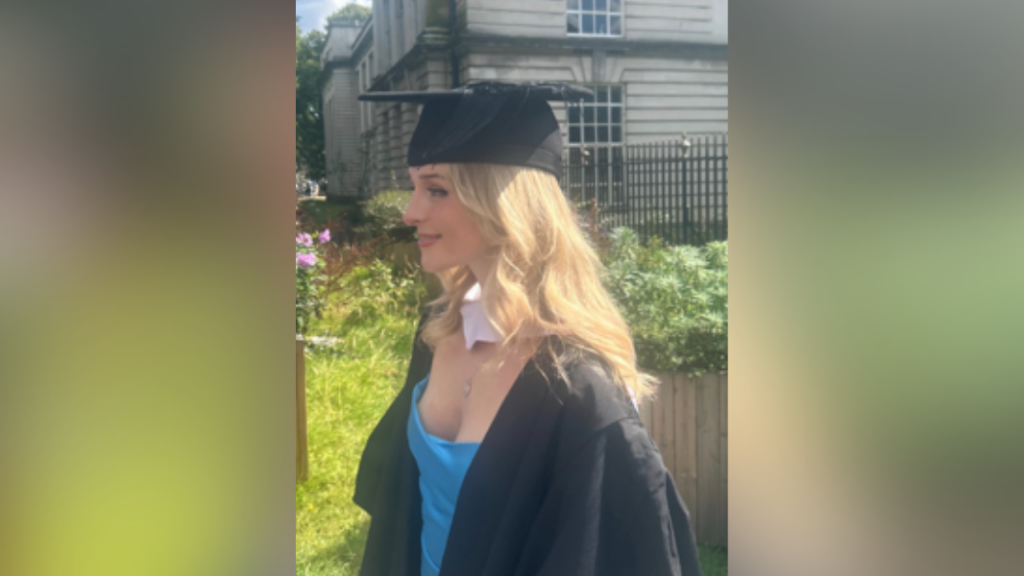
And to the twenty-year-old at university, slowly trying to get her life back, I’d tell her to keep going. It’s worth it. I promise.
To anyone reading this who has a parent struggling with drink, or who has lost one to it: it is not, never will be, and never has been your fault.
Eve
To read more experience stories, please go to Support & Advice.