My story
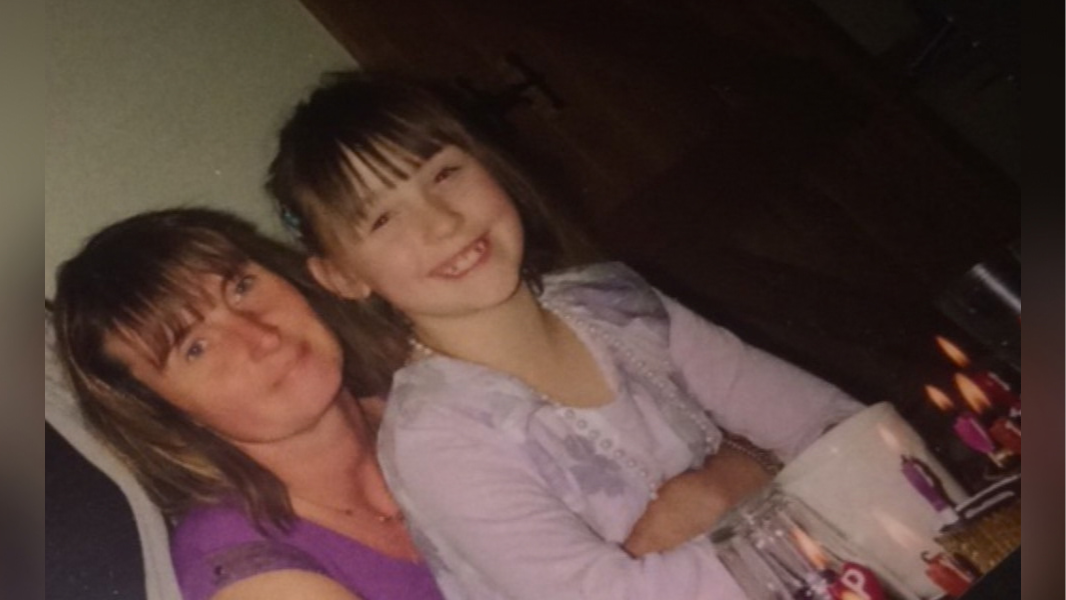
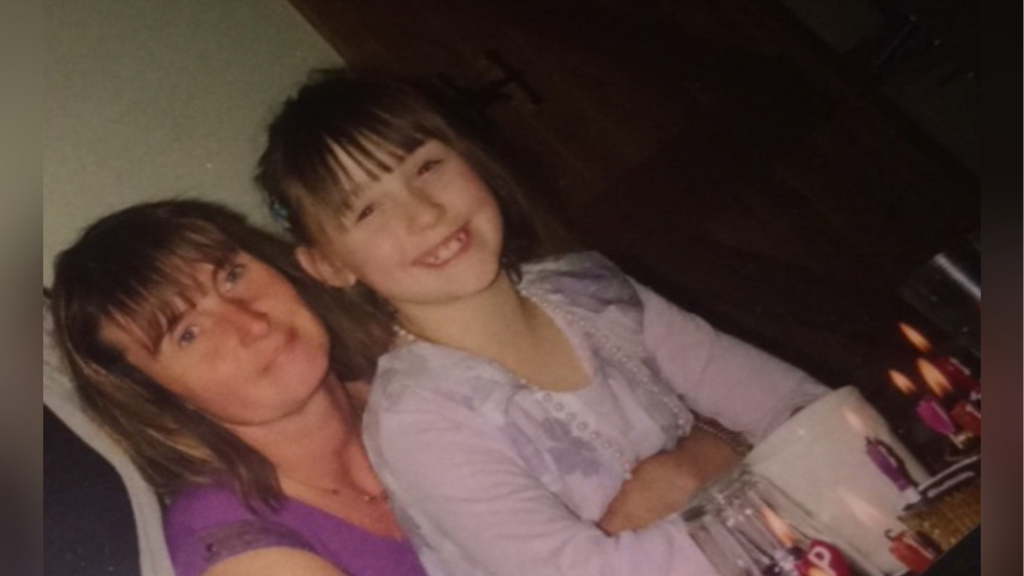
When my Nan passed away, it felt like we had lost the central puzzle piece that connected our family jigsaw.
I knew she did a lot for us, but I never realised just how much she helped keep my Mum away from alcohol. Mum had always liked a drink, but after her divorce from my Dad, and losing her own Mum, alcohol became her crutch.
Looking back now, I can see that Nan was Mum’s support system, and when she was gone, alcohol slid in to fill the void she left behind.
Becoming the target at 13
The hardest part of Mum’s addiction was watching the person I loved fade away. At 13, I saw her love for me recede into indifference, then harden into aversion and something akin to hatred. With this shift, many things changed in my teenage years:
- Tuesdays became the day I dreaded most. On Tuesdays, she went out with her friend and drank more heavily than on any other day, often subjecting me to verbal abuse as a result. The things she said made me believe the phrase ‘drunken words are sober thoughts’.
- I began despising and still despise the smell and taste of red wine. I would tip as many ‘hidden’ bottles down the sink as possible.
- I questioned my purpose. Would life be easier without me. Would that fix her?
- Every Christmas and birthday I would wish for my sober Mum back.
Leaving Mum
Despite the abuse, I never wanted to leave her, especially because it meant leaving my brother behind. Eventually, I had no choice: 6 months after my Nan passed, I went to live with my Dad to save myself.
Leaving brought about its own set of challenges. The shame, fear and taboo around alcoholism made it hard to vocalise my decision to leave. My solution? Rather than speak to my family, I wrote letters to all of them to explain my decision.
Writing became the easiest way for me to communicate and was how I made a cry for help: in my Dad’s birthday card I wrote that I was in a really bad place and needed help. That led to five years of counselling.
Six years later
In 2021, when I was at university, Mum became sober for almost a year. It gave us a completely new relationship. I called her on the way to every lecture and told her how much I loved her and how proud I was of her.
Then, in May 2022, everything shattered: Mum developed mental health conditions that, to this day, we still cannot fully explain.
I blamed myself for her illness for a long time: I had been too happy, too focused on building my new life at university.
The saddest part of this change was the hatred she had previously reserved for when she was drunk became a permanent part of our relationship.
We are still navigating this change. Every day can bring about a new challenge with difficult questions. Do we invite her to Easter or Christmas and risk her verbal abuse? Do I introduce her to a future partner? If I ever get married, would she make it? Will I even want her there?
How being a COA shaped me
For years, I carried guilt, shame and blame. I questioned whether I had caused Mum’s drinking and whether it was my responsibility to fix her. Self-blame is one of the easiest traps to fall into. But her addiction is not my fault. Nor can I fix her.
As a COA, it has always been important to me never to let my experiences define me negatively or hold me back. Instead, I wanted to build a life I can be proud of and use my experiences to help others along the way.
If circumstances were different and I had the opportunity to tell my Mum about my journey, it would be similar to what I wrote in my degree dissertation acknowledgements:
“To Mum, despite our challenging relationship, I hope that if circumstances were different, you would be proud of me. Thank you for giving me the skills I never appreciated as a child but now rely on every day: strength, perseverance, and independence.”
Why I’m sharing this
When I was younger, I felt completely alone. I thought I was the only person facing this battle. I wasn’t. And neither are you.
Help is available. You do not have to carry this alone.
By sharing my story, I hope other COAs recognise themselves in some of these experiences and know that there is support out there.
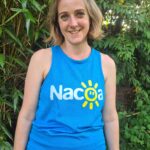
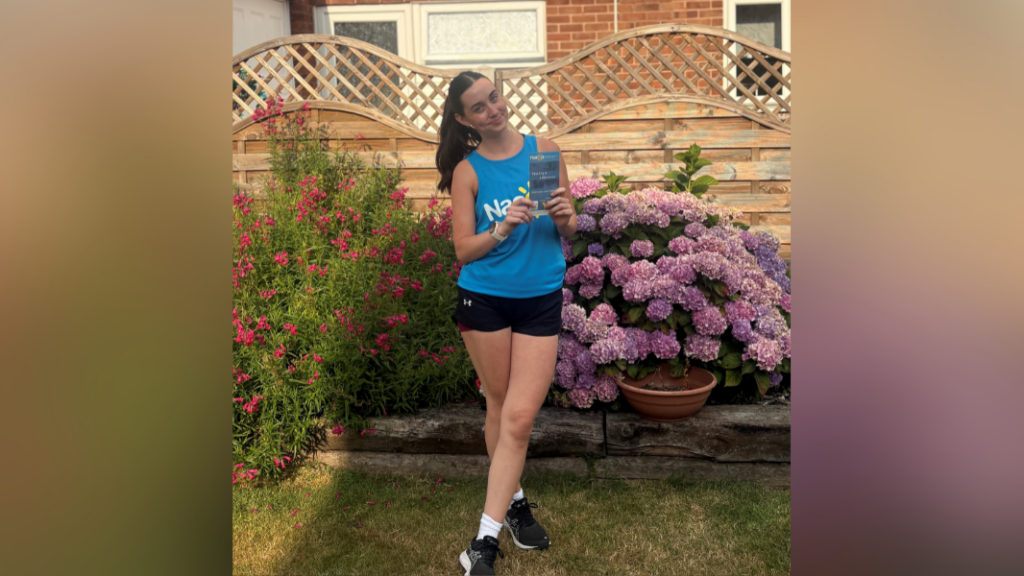
To continue raising awareness and sponsorship for the incredible work Nacoa does, in November I’m taking part in Dublin HYROX 2026.
My Just Giving page is here.
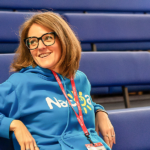
Emily
To read more experience stories, please go to Support & Advice.