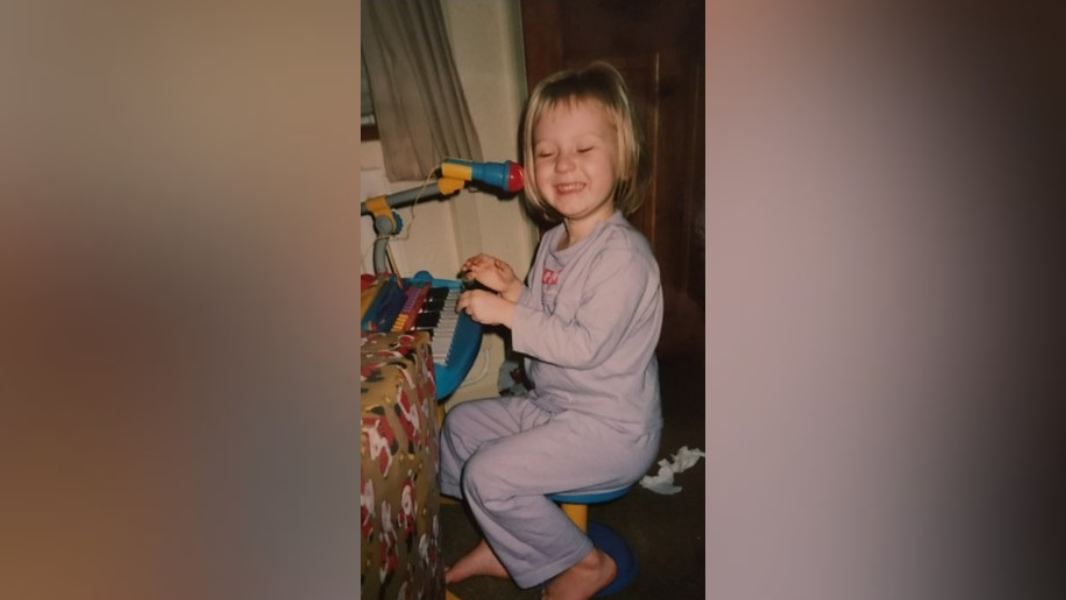
“Why don’t you smile anymore?”
At age 10, on the way to school, I asked my dad this question.
This was because I started to notice an elephant in the room. It was quiet. It wasn’t violent. It wasn’t even scary. But it was slowly growing bigger in our family home.
In my early teens, it became so big that I knew it for what it was. But still, it wasn’t something we spoke about. Why is that?
Being the child of an alcoholic is a confusing experience. Me and my sister were fortunate enough to never experience domestic abuse, violence or the feeling of needing to ‘hide.’
Yet, there were times we could very much feel what was happening. Sudden arguments appearing out of nowhere. My parents seemingly living apart within the family home.
My dad becoming sadder. I remember, asking my dad outright, why he didn’t smile anymore. He never gave me an answer.
I saw my dad start to withdraw
As I got to my teens, I began to understand. My parents had split. I enjoyed staying at my dad’s twice a week, where he would treat me and my sister to tasty home cooked meals and Ben & Jerry’s ice cream.
However, I saw my dad start to withdraw. There was always wine in the fridge, and there was always a glass of wine in front of him. I watched him become less present.
I laid in bed, and heard the wine being poured over and over again. I remember counting the times he opened the bottle, as my bedroom backed onto the kitchen. I remember being worried. I remember telling him that I was worried.
But to him, there was no problem.
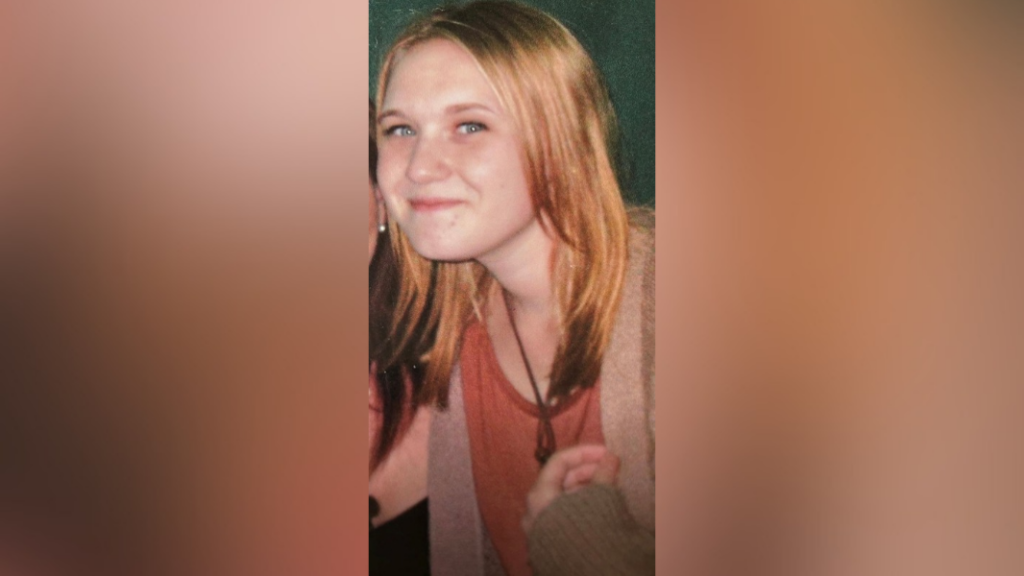
I was screaming inside a sound-proof bubble
As years went by, we heard slips in conversations around a drinking problem. Around what those around him had noticed. Yet, the word alcoholic was never ushered.
I was told he didn’t drink spirits, so he couldn’t be an alcoholic. I was told he could go a whole day without drinking, so he couldn’t be an alcoholic. Yet still, that elephant stayed in the corner of the room, and I couldn’t quite get him to leave.
In my early 20s, my dad nearly died from liver sclerosis. Me and my sister prepared for the worst. We dove into the last 15 years, and counted all the times we tried. All the people we expressed concern to.
All the frustration, fear and anger morphing into grief. But a miracle happened, and my dad, with his strength, beat his addiction. He left hospital and turned his life around.
And to this day, I love my dad, and I am forever grateful that he is here. He is now 4 years alcohol-free.
Upon reflection, after all these years, my sister summarised the experience of our entire teenage years and childhood:“It either wasn’t a problem, or it wasn’t their problem.”
The elephant doesn’t need to be in the room anymore
And this is why I am writing today. When you are the child of an alcoholic, you notice patterns of behaviour that you don’t yet have the words for. It is the responsibility of adults around you to help you find those words. However, this doesn’t always happen.
It is time to change that narrative, and through Nacoa, children and young people have the opportunity to get support for these experiences. Finally, we have adults that can validate their experiences.
That way, that elephant doesn’t even need to be in the room anymore. The young person, finally, has a voice.
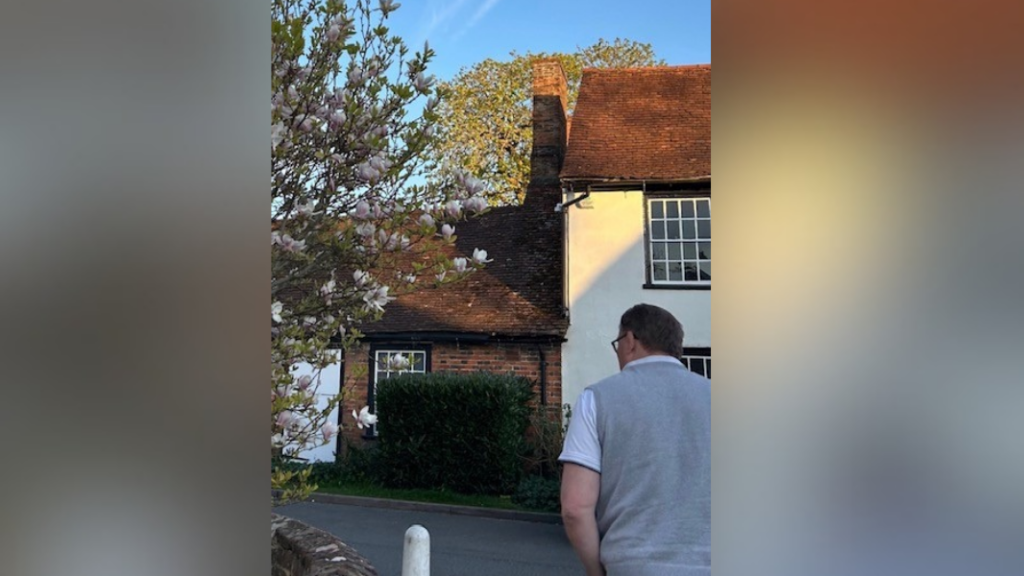
We need to bring more light to this issue
I want to end with this; having an alcoholic parent creates a multitude of instability and confusion in the life of a child. Sometimes, it is sadly violence, destruction, or death. But this isn’t always the case. In my experience, it was quiet, but very much alive.
We need to bring more light to this issue, because if we don’t validate the experiences of young people, of children, then how are we protecting them? How are we supporting the parents experiencing alcoholism if we deny its existence?
I love my dad. But I didn’t want to see him suffer. He didn’t want us to see him suffer.
The elephant in the room needs tending to, and this happens through allowing young people and children to speak up, and by validating their experience.
Thank you to Nacoa for your amazing work, and I will continue to support this charity and cause.
Rebecca
To read more experience stories, please go to Support & Advice.