The Boy Who Knew Too Young
I never imagined I would one day tell my story, but I have come to realise that silence helps no one. I chose to write this book because I know what it is like to grow up with a parent struggling with alcoholism and the lasting impact it can have on a child.
This is not a story of blame, it is a story of survival, resilience, and hope.
I share my experiences for every child who has ever felt alone, unheard, or forgotten, and in support of Nacoa’s mission to remind children that they are never alone.
If my story helps just one person feel understood or gives them the courage to speak, then every page has been worth writing.
Chapter 1: The Boy Who Knew Too Young
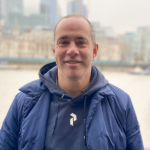
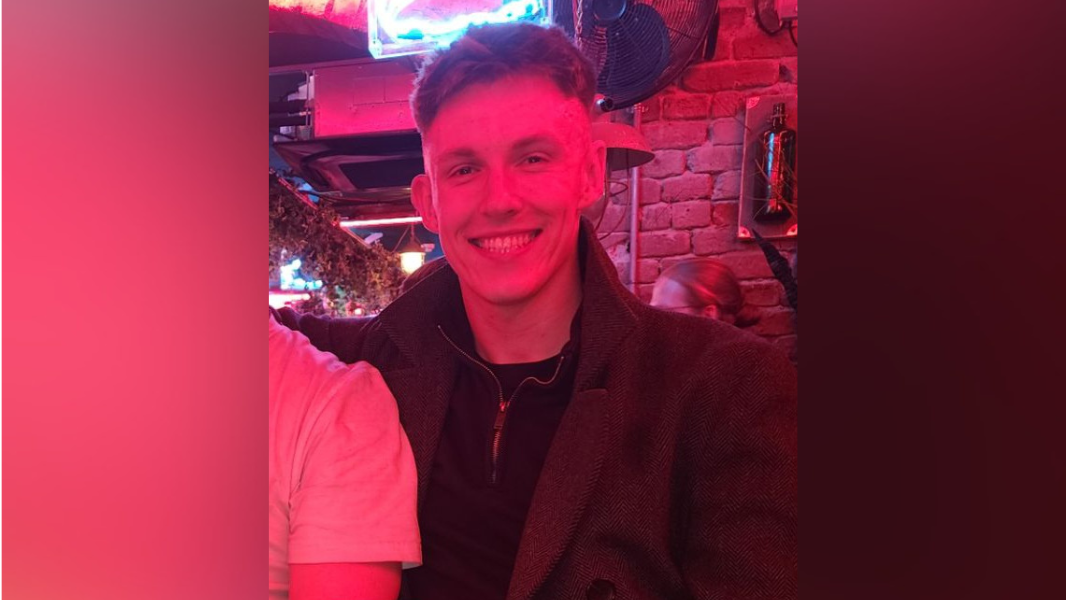
My name is Joe Devlin.
This book exists for one reason.
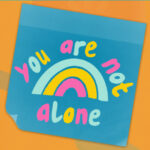
If there is a young boy or girl somewhere reading these words, sitting in a bedroom feeling scared, confused, alone, or responsible for a parent who struggles with alcohol, I want them to know something that I never truly understood when I was their age: You are not alone.
I was once that child myself.
For many years, I lived in a home where alcoholism shaped almost every part of daily life. It shaped conversations, emotions, routines, relationships, and the way I saw the world. Long before I understood what alcoholism was, I understood what it felt like.
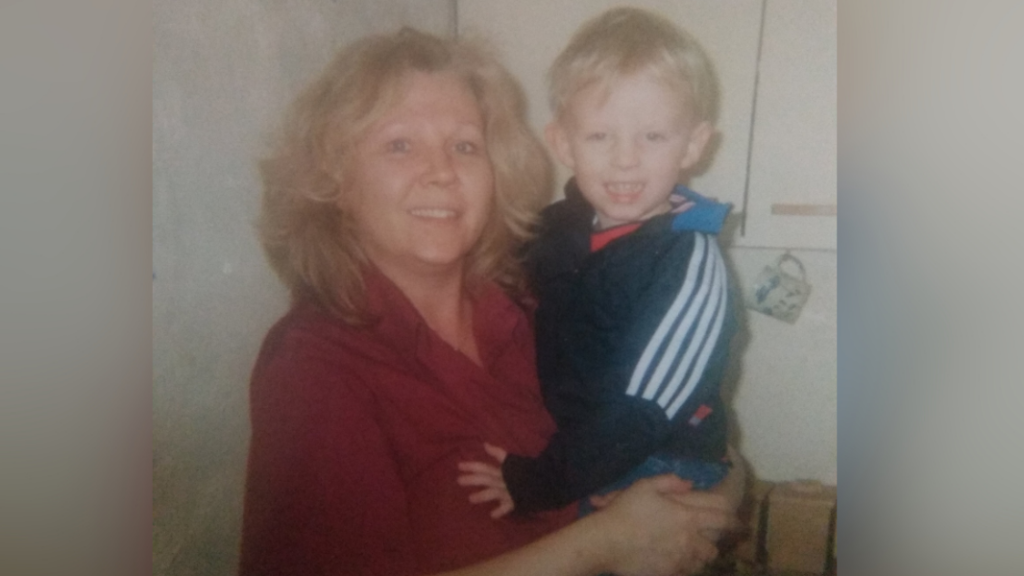
I was around nine years old when I first started noticing that something wasn’t right with my mum.
At that age, children shouldn’t have to analyse behaviour. They shouldn’t have to wonder why someone’s mood changes so dramatically.
They shouldn’t have to become experts in reading facial expressions or predicting arguments before they happen. Children should be free to be children.
But when you grow up around addiction, you often lose that innocence earlier than most.
As I got older, I started recognising patterns. My mum struggled with her mental health and with alcohol. At first, I didn’t have the words to explain it, but I knew that the person I saw in the morning wasn’t always the person I would see later that evening.
In the mornings, my mum was beautiful. Anyone who knew her would tell you the same thing. She was kind, funny, caring, and full of warmth. She could light up a room. She made people feel welcome. She made people laugh. She was my mum.
But as the day went on, alcohol would slowly take her away from me.
Every afternoon, as I walked home from school, I carried a question in my mind. Who would answer the door today? Would it be my mum? Or would it be the version of her that alcohol created?
One of the most difficult memories from my childhood happened when I was around sixteen years old. By that point, I had already spent years trying to understand my mum’s drinking.
I had spent years having conversations with her, trying to help her, trying to convince her that life could be better. No matter how difficult things became, I never stopped believing in her.
But one night tested me more than any other.
My mum had been drinking heavily and was in a very dark place emotionally. What started as another difficult evening quickly became something much more serious. In front of me, she self-harmed.
I remember feeling completely shocked. Terrified. Frozen.
No child ever expects to witness something like that, especially involving the person they love most in the world.
What made it even harder was what she said next. Looking directly at me, in a state of complete distress, she told me that it was my fault she drank.
For a moment, everything stopped.
I was only sixteen years old. I was scared. Confused. Heartbroken.
But even in that moment, something inside me refused to believe her. Not because the words didn’t hurt. They did. They hurt more than I can properly describe.
But because deep down, I knew that wasn’t my mum speaking. It was her pain speaking. It was her addiction speaking. It was years of confusion, guilt, self-hatred, and alcohol all pouring out at once.
How could I be the reason? How could I be responsible for the downfall of the same woman who, when she was sober, would tell me that I was her angel?
The same woman who would tell me that she loved me more than anyone or anything in the world? Those two versions of reality simply couldn’t exist together.
So instead of believing the words, I focused on the person underneath them.
I remember looking at her and telling her that we were going to get through it. That we were going to fix it. That I was going to help her.
Looking back now, I realise how extraordinary and heartbreaking that was at the same time. A sixteen-year-old boy comforting his mother while she was falling apart. A child trying to rescue a parent.
But that’s what addiction does to families. It changes roles. Children become carers. Children become counsellors. Children become protectors.
And despite everything I witnessed that night, despite the blood, despite the fear, despite the accusations, one thing never changed. I never stopped loving my mum. Not for a second.
Because I knew that the woman standing in front of me that night was not the woman who tucked me into bed when I was younger, who told me she loved me every morning, or who wanted the very best for me.
That woman was still there. She was just trapped beneath an illness she could no longer control.
As the years passed, I learned that alcoholism doesn’t just affect the person drinking. It changes the lives of everyone around them. Partners adapt. Families adapt. Children adapt.
You learn to read moods.
You learn to avoid certain conversations.
You learn to hide your own pain because you don’t want to make things worse. Most of all, you learn to survive.
What I didn’t realise at the time was that surviving would eventually shape the person I would become. And that journey was only just beginning.
Chapter 2: When the Weight Became Too Much
As much as I loved my mum, there were times when carrying the responsibility of loving someone through addiction felt impossible.
People often talk about the effects of alcoholism on the person drinking, but they rarely talk about the people standing beside them.
The people trying to hold everything together. The people having the same conversations over and over again, hoping that this time something will be different.
By the time I was sixteen or seventeen, I was exhausted. Not physically. Emotionally.
There was one night in particular that has stayed with me. Me and my mum had spent the evening having one of those conversations we had so often. The conversations filled with tears, promises, hope, and heartbreak.
Deep down, I already knew how the conversation would end. Nothing was going to change. At least not that night.
My mum had been drinking heavily. She was crying. She could barely stand. I helped her up the stairs and put her to bed because she couldn’t manage on her own.
I remember standing there afterwards feeling completely empty. Not angry. Not upset. Just numb. The kind of numbness that comes when you’ve been carrying too much for too long.
I sat with my thoughts, and for the first time, I genuinely couldn’t see an end to what was happening. I couldn’t imagine life ever being different. I couldn’t imagine waking up without this constant weight sitting on my shoulders. Everything felt too much.
That night, I made a decision that still hurts to talk about. I went to the medicine cabinet and took tablets. I don’t even remember exactly what they were. I just remember sitting alone in my bedroom afterwards.
The room was dark. The curtains were open. Moonlight was shining through the window. I sat on the floor crying.
I remember saying to myself, “If I wake up, please let something be different.”
Not because I wanted to die. But because I desperately wanted the pain to stop. I wanted the chaos to stop. I wanted the fear to stop. I wanted the helplessness to stop.
I lay there feeling sick, dizzy, exhausted, and completely alone. Eventually I closed my eyes.
The next thing I remember is waking up the following morning. I had survived. I was sick. My head was pounding. But I was alive. And I never told my mum.
Even now, that might seem difficult for some people to understand. But I knew her. I knew how much guilt she already carried. I knew how much she blamed herself.
And I genuinely believed that if she found out why I had reached that point, it would have broken her heart.
So I carried it on my own. Like I carried so many things back then.
And somehow, I got up. I cleaned myself up. And I kept going. Because despite everything, there was still a part of me that believed life could be different. I just hadn’t found it yet.
Chapter 3: The Last Time I Said Goodbye
The last conversation I ever had with my mum happened the night before she died. At the time, it felt completely ordinary.
She hadn’t been feeling very well during the day, and I remember ordering some food and heading upstairs towards my room in the attic. As I reached the stairs, she came out of her bedroom.
I stopped and asked, “Are you okay? I’ve not seen you all day.” She told me she wasn’t feeling great but that she was okay.
For the first time in a long time, she was completely herself. She was sober. She was my mum.
I asked if there was anything she needed me to do. She said no. Then we said goodnight. As she turned away, I said, “Goodnight. I love you.” She smiled and replied, “Goodnight. I love you too.”
Those were the last words we ever said to each other.
There is a part of me that will always be grateful for that. Our final conversation wasn’t an argument. It wasn’t a difficult discussion about alcohol.
It wasn’t a night filled with tears, fear, or anger. It was simply a son telling his mum that he loved her, and a mum telling her son the same thing back.
The next morning, I woke up early because I was heading back to my girlfriend’s house. The internet had stopped working because my mum hadn’t paid the bill.
At the time, it felt like the biggest problem in the world. I remember texting her. I remember ringing her. I remember feeling annoyed about the internet. There was no reply. I assumed she was still asleep or still feeling unwell.
What I didn’t know was that she was already gone.
Even now, years later, that thought still feels impossible to process. I was worrying about an unpaid internet bill. My mum was dead. Those two realities have never quite made sense together in my mind.
Later that day, I was having lunch with my girlfriend when my phone rang. It was my stepbrother. He was panicking. Crying. Struggling to get his words out. Then he said something that didn’t feel real. “Joe, you need to come home. Mum’s died.”
I remember immediately dismissing it. Not because I didn’t care. Because I couldn’t believe it. My mum always used to joke that he was dramatic, and I genuinely thought he must have misunderstood something.
I looked at my girlfriend and said, “I think my mum’s died.” I still didn’t believe the words as I said them. But the colour drained from her face. We left immediately.
As we walked back through town, I kept trying to convince myself that there had been some mistake. Then I reached the bottom of my road.
And I saw the ambulance.
The moment I saw it, my stomach dropped. For the first time, I thought: this might actually be real.
I ran. I don’t remember thinking. I don’t remember breathing. I just remember running. I ran from the bottom of the road to the front door of the house.
When I burst inside, paramedics were standing there. My stepdad was pacing around the kitchen in complete distress. I remember shouting, “Where’s my mum? I’m her son. Where’s my mum?”
A paramedic looked at me and said words that changed my life forever. “I’m really sorry, but your mum has passed away.”
Everything went silent. I couldn’t hear anything else. I couldn’t process anything else. It was as if somebody had switched the world off.
I looked over at my girlfriend. She was crying.
Then something happened that had happened so many times throughout my childhood. I stopped being a child. I became the adult. I remember thinking that if I fell apart, nobody would be able to cope.
So instead of grieving, I started helping. I comforted my stepdad. I phoned my brother and sister. I told people that our mum had died. I did everything except allow myself to feel what had happened.
Eventually I went upstairs. My mum had passed away in her bed. I sat beside her and held her hand. I spoke to her for a few minutes. I can’t remember every word.
But I remember thanking her. I remember telling her I loved her. And I remember making a promise. “I’m going to make you proud one day.” That promise stayed with me. It still does.
The strange thing about grief is that people expect it to arrive all at once. Mine didn’t. I wouldn’t allow it to.
I knew that if I opened the door to all the pain I had carried throughout my childhood, I didn’t know whether I would ever be able to close it again. So I did what I had always done. I survived.
A week later, I returned to the house. I cleaned. I tidied. I tried to make sense of everything. When my stepdad came home, he told me not to move anything. He wanted the house to stay exactly as it had been. Exactly as it was when she was still there.
I went upstairs to my room. I sat there. And within minutes, I made one of the fastest decisions of my life. I knew I was never coming back. Not because I didn’t love my mum. But because the house wasn’t my home anymore.
The moment my mum died, the life I had known ended too.
For the first time in my life, I understood something clearly. If I was going to survive, I had to start building a life of my own. And so I left. Not away from my mum. But towards the future she would have wanted for me.
Chapter 4: A New Chapter
When my mum passed away I was eighteen, I knew that one chapter of my life had come to an end.
For as long as I could remember, my life had been shaped by the circumstances surrounding her addiction, the challenges we faced as a family, and the uncertainty that often followed us from day to day.
When she died, there was a strange mixture of grief, sadness, relief, and acceptance. I was heartbroken that she was gone, but I was also comforted by the fact that she was no longer suffering.
She no longer had to wake up every day carrying the burden of alcohol dependency. She was finally at peace.
Not long after, I made the decision to leave home. There were two reasons for that decision. The first was because I knew that one chapter of my life was over.
The chapter that involved living alongside my mum, carrying the responsibilities and emotions that came with her addiction, had ended.
Whether I was ready or not, life was moving forward. The second reason was that I needed to create a new chapter. The frightening part was that I had absolutely no idea what that chapter was going to look like.
The truth is, none of us really do.
At eighteen and nineteen years old, you don’t understand the world the way you do later in life. You don’t have all the answers. You don’t have a clear roadmap.
All I knew was that I had to keep moving forward. So I packed my belongings, stepped into the unknown, and focused on what was directly in front of me. I took life one day at a time.
Looking back now, that simple approach taught me more than I could have imagined.
As the days turned into months and the months turned into years, I learned a great deal about the world and the people in it. I began to understand what builds character.
I learned what resilience really looks like. I started noticing the qualities that separate people who keep going from those who give up. Most importantly, I started discovering those qualities within myself.
I realised that resilience isn’t something you’re born with. It’s something that gets built through experience. It grows when life tests you. It develops when you face situations you never asked for but choose to keep moving through anyway.
During that time, I continued building my career in retail, a career that remains an important part of my life today. Seven years ago, I couldn’t have imagined where that journey would lead me.
Today, I am a Store Manager, a role I have held for the last seven months, and one that I am incredibly proud of.
If someone had told the eighteen-year-old version of me that life would turn out this positively, I don’t think I would have believed them. Yet here I am.
When I look back, I feel immense pride in the journey I’ve taken. I chose, as often as I could, to use the pain and hardship following my mum’s death as fuel rather than as an excuse to stop.
I used those difficult moments to become the person I needed to be. That doesn’t mean it was easy. Life isn’t supposed to be easy.
One of the most important lessons I’ve learned is that bad things are going to happen to all of us. Anyone who tells you that life should be smooth sailing is not telling you the truth.
At some point, every single one of us will experience pain, trauma, heartbreak, loss, or disappointment. That is part of being human. What matters is what we do with those experiences.
How do we respond when life challenges us? Do we allow hardship to define us, or do we allow it to strengthen us?
The strongest people I have met are not people who avoided struggle. They are people who faced it, learned from it, and kept moving forward despite it. If we all accepted our worst moments as the final outcome of our lives, none of us would ever progress.
None of us would ever discover what we are capable of becoming. That is why resilience matters. That is why hope matters. And that is why purpose matters.
One of the things I am most proud of is the work I have done raising money for Nacoa and helping others who have experienced situations similar to my own.
Through that work, I found meaning in my experiences. I found a way to turn pain into something positive.
I have also been fortunate enough to surround myself with incredible people. Amazing friends, supportive colleagues, and individuals who have encouraged me throughout my journey.
Their support has reminded me that none of us have to face life’s challenges alone.
As I reflect on my mum’s life, I often think about the uncertainty that existed throughout her struggle with alcohol. I never knew when she would pass away. I didn’t know whether it would happen sooner or later.
What I do know is that when the time came, she was finally free from the pain she had carried for so many years. For that, I am grateful. She no longer had to rely on alcohol every single day.
She no longer had to fight that battle. She found peace. And knowing that gives me peace too.
I truly believe that one day I will see her again. The thought of that brings me comfort. It allows me to continue moving forward knowing that when that day comes, I will be able to tell her everything that has happened.
I will be able to tell her about the challenges I overcame. The people I helped. The life I built. The person I became. And I hope, more than anything, that I will continue making her proud.
My name is Joe Devlin, and this has been my story.
If you are reading this and you are that young person sitting alone in your bedroom, scared about what tomorrow might bring, unsure where your life is headed, wondering whether anyone understands what you’re going through, I want you to know something: You are not alone.
Whether you’re afraid to go downstairs, afraid to come home from school, afraid to come home from work, or simply struggling with circumstances that feel impossible to explain, there are people who care and people who want to help.
Support exists. Hope exists. And your story is not over.
There is a support network waiting for you and the team at Nacoa are always willing to listen, support, and help wherever we can.
Thank you for taking the time to read my story. And wherever you are in your own journey, keep going.
Joe
To read more experience stories, please go to Support & Advice.