It was never mine to hold

Sally learned from an early age not to question and not to feel emotions.

It was never mine to hold

For as long as I can remember, Dad’s alcohol use caused havoc in our family.

Dad will never acknowledge he has a problem with alcohol. There is always another reason for his problems. Or someone else to blame.

I’ve spent years craving validation from somewhere that I wasn’t making it all up or exaggerating how we lived. Being an adult child of an alcoholic parent is as difficult as being a small child, just different.

Caught in the familiar battle

Dad’s in his 80’s now. I have no idea how he’s made it this far. I’m caught in the familiar battle between loyalty (keeping the secret) and the need to own my truth: I am a child of an alcoholic.

I was constantly on the lookout for signs of the next eruption. Were the raised voices just loud? Or had the fighting started again?

We could be sat eating dinner and out of nowhere Dad would rage, throwing dinner at the wall because something wasn’t quite right.

Record players and radios would be smashed to pieces, guitars broken to smithereens. Every drop of alcohol poured down the kitchen sink.

If I tried to get involved it only made it worse for mum, he’d scream that she was “turning the kids against him.”

He’d call her the most vile names and say what surely no one would ever say to someone they loved.

I learned not to interfere. I still don’t understand how someone can say such cruel words to their wife and children.
One word is all it takes

When phoning Dad, he only needs to say hello for me to know if he’s drank alcohol. One word is all it takes; it’s still my first, unconscious thought to determine if he’s under the influence of alcohol.

Always hyper vigilant, noticing the most subtle changes in someone’s mood.

Mum stayed with dad until she died and I know that choice was one she regretted.

We all spent decades hoping that one day, he’d be the husband and dad we needed. Besides, there was nowhere for mum to go to had she wanted to.

He was extremely intelligent, worked hard to provide for us all of the time. He never failed to go to work. I don’t recall him missing a single day.

I’ve never known him not to work. Fiercely proud, extremely self-conscious and lacking any skills to socialise despite the front he put on.

He often exaggerated his achievements because of a constant need for approval and inflated recognition. I’ve always sensed he was never that comfortable in his own skin.

He was never really present

For years he would withdraw from family life, choosing to spend time alone drinking rather than be with us.

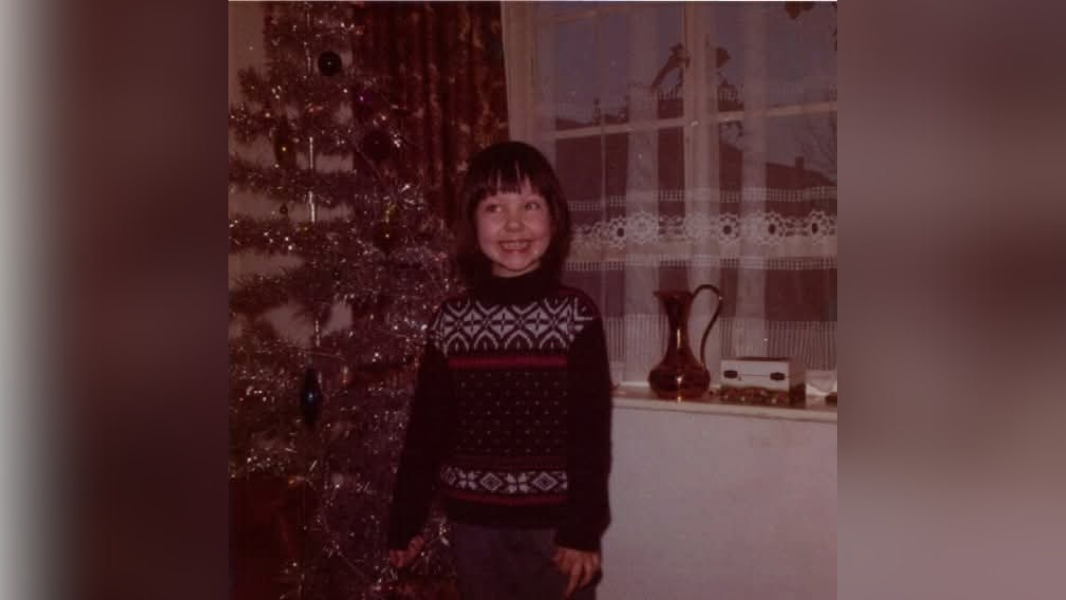
He always provided for us, splashing out to make sure there was a big stash of presents under the Christmas tree. We’d go on a trip to the seaside most summers, but he was never really present.

I wrote letters to him begging for us to talk, so we could be like a “proper” father and daughter. I was told not to be silly.

While writing this, as an adult with my own children, I still offer to visit. He tells me not to. I don’t know why I keep reaching out, to keep being pushed away.

I’ve always wanted for him to be able to admit there’s a problem, to help him get the help he needs to live a better life.

Secrets and lies

Mum did her best but married to an alcoholic she was always walking on eggshells to try to keep the peace. There’s was a lot of “don’t tell your dad”. Secrets and lies.

The home revolved around his fragility, his mood, his alcohol consumption or sobriety (because when he stopped drinking, it was a different kind of awful).

I’m in no way blaming either of them, and I love them. But while they did their best, they definitely didn’t do what was best for me. I struggle to understand the choices they made even more now I’m a parent.

I learnt from an early age not to question, not to feel emotions good or bad. Not to ask for help, crying was for cry babies. That I was too sensitive, too emotional and meeting my needs as a child come secondary to others.

Be grateful. Look at everything you have. The presents. Two parents at home. Food on the table when kids were starving in third world countries.

I had no compass

By the time I reached my early teens, I was regularly drinking and started stumbling through relationships that were mostly troublesome or abusive. I had no compass, no guidance, no parenting.

I was always told how mature I was for my age. The reality is I had no choice but to grow up before I was I was ready. I had no one to turn to. I was on my own.

Dads drinking got worse, mum and dad’s relationship got worse. I was mums support network and seeing her in that abusive marriage destroyed me.

But there was nothing I could do apart from be there to listen.

I spent years drinking to the point of blacking out in my teens and twenties. Drinking myself to the point of oblivion was normal to me, and I was never given any guidance to show or tell me otherwise.

My drinking was dangerous but I didn’t care, and no one else seemed to either.

If only someone had reached in

I wish there had been someone who was really there for me. Someone who would pull me out of the hole I was sinking in.

Desperately needing help I approached my GP who immediately prescribed anti depressants, which only served to confirm I was the broken one. The problem was me.

I was the one who needed medication to cope. I’m bitter that no one saw beyond my mental health and the only help I got was a prescription. If only someone had reached in.

There was no wider family or friends aware of what was happening. There was no one close enough who I could ask to help me.

I was a child desperately needing help, instead I was given a prescription of antidepressants.

I couldn’t function

I went on to marry my own alcoholic and wound up in an abusive marriage without realising.

How could I not have realised that drinking vodka at 8am in the morning? Or drinking beer all day long was not a good relationship with alcohol?

Desperate to be accepted, loved, I joined in with this behaviour for years. I was never beaten. His manipulation was more subtle and he broke me down until my metal health was so deep in the gutter.

I couldn’t function. The thought of spending the rest of my life in a relationship that was quickly headed in the same direction as my parents was a massive wake up call.

I broke the mould and chose not to live like that. I left and started to put myself back together.

I’ve also finally found a therapist who has helped me see I was never broken, has given me space to finally find my truth. To let go of the weight of everyone else’s shame, it was never mine to hold.

I really struggle because I know alcoholism is a cruel disease often out of the person’s control. But to carry on despite the hurt it radiates to those who you’re supposed to love, it’s heartbreaking and I do resent him for that. So starts all the guilt for even thinking that, because it’s not his fault.
Home feels like the place I always wanted it to be

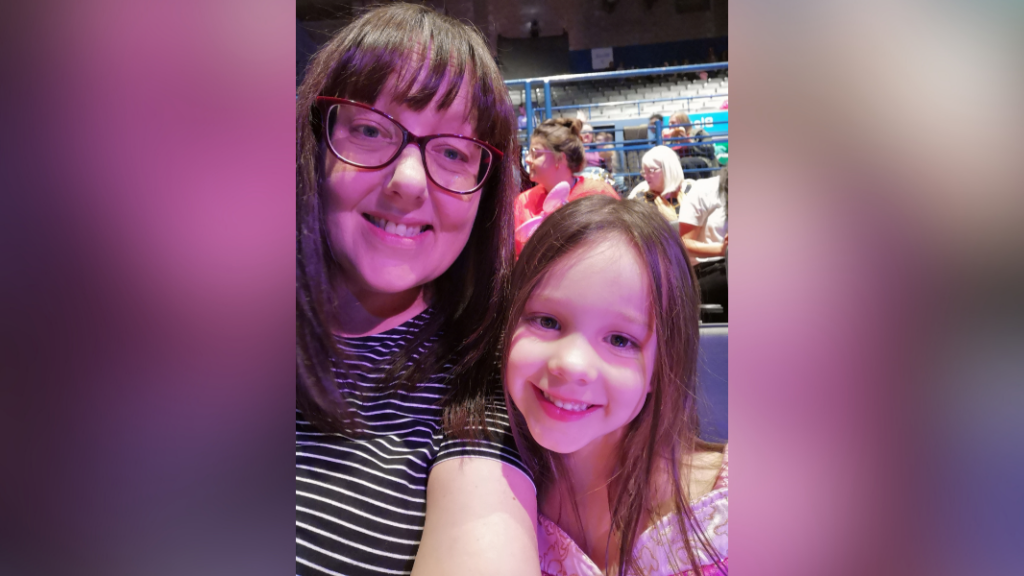
I stopped drinking over a decade ago, having only an occasional drink now. I’m in a happy loving relationship, I have a wonderful daughter, and home feels like the place I always wanted it to be.

I grieve because my daughter hasn’t got doting grandparents in her life; she is loved by him but he doesn’t spend time with us and asks us not to visit.

I lost mum, and life with Dad will always be complicated. I am starting to believe I am finally safe and loved at home.

My greatest accomplishment by far is knowing I am a good parent; and exactly who I needed when I was my daughters age.

Sally

To read more experience stories, go to Support & Advice.

Categories:

It was never mine to hold

Sally learned from an early age not to question and not to feel emotions.

It was never mine to hold

Sally learned from an early age not to question and not to feel emotions.

  • About Nacoa

    Sally learned from an early age not to question and not to feel emotions.

  • About Nacoa

    Sally learned from an early age not to question and not to feel emotions.

  • Hello!

    Sally learned from an early age not to question and not to feel emotions.

  • Nacoa branding - style guide

    Sally learned from an early age not to question and not to feel emotions.

  • Contact us Person looking at Nacoa's website for people affected by a parent's drinking to show different ways to contact for support or to get involved with the charity to help other children of alcoholics

    Sally learned from an early age not to question and not to feel emotions.

  • Governance

    Sally learned from an early age not to question and not to feel emotions.

  • History

    Sally learned from an early age not to question and not to feel emotions.

  • Nacoa Helpline

    Sally learned from an early age not to question and not to feel emotions.

  • Calling the helpline

    Sally learned from an early age not to question and not to feel emotions.

  • Helpline FAQs

    Sally learned from an early age not to question and not to feel emotions.

  • Managing browser history

    Sally learned from an early age not to question and not to feel emotions.

  • Monitoring & evaluation

    Sally learned from an early age not to question and not to feel emotions.

  • Policies & procedures

    Sally learned from an early age not to question and not to feel emotions.

  • Our people

    Sally learned from an early age not to question and not to feel emotions.

  • Abie Dunlop

    Sally learned from an early age not to question and not to feel emotions.

  • Amanda Brett

    Sally learned from an early age not to question and not to feel emotions.

  • Amy Dickson

    Sally learned from an early age not to question and not to feel emotions.

  • Carolyn Jones

    Sally learned from an early age not to question and not to feel emotions.

  • Cassandra Ohlson Cassandra Ohlson presenting at Nacoa's Stafford Ward Memorial Lecture 2019

    Sally learned from an early age not to question and not to feel emotions.

  • Ceri Walker

    Sally learned from an early age not to question and not to feel emotions.

  • Dr Piers Henriques

    Sally learned from an early age not to question and not to feel emotions.

  • Euan Graham Euan Graham

    Sally learned from an early age not to question and not to feel emotions.

  • Hilary Henriques MBE

    Sally learned from an early age not to question and not to feel emotions.

  • Jamie Brett

    Sally learned from an early age not to question and not to feel emotions.

  • Jane Elson

    Sally learned from an early age not to question and not to feel emotions.

  • Josh Connolly

    Sally learned from an early age not to question and not to feel emotions.

  • Katy Stafford

    Sally learned from an early age not to question and not to feel emotions.

  • Laurence McAllister Alleyne

    Sally learned from an early age not to question and not to feel emotions.

  • Liam Tullberg Liam Tullberg Nacoa

    Sally learned from an early age not to question and not to feel emotions.

  • Lindsay Sykes

    Sally learned from an early age not to question and not to feel emotions.

  • Maya Parker MA

    Sally learned from an early age not to question and not to feel emotions.

  • Peter Irwin

    Sally learned from an early age not to question and not to feel emotions.

  • Tod Harrison

    Sally learned from an early age not to question and not to feel emotions.

  • Patrons & ambassadors

    Sally learned from an early age not to question and not to feel emotions.

  • The Nacoa Promise

    Sally learned from an early age not to question and not to feel emotions.

  • Experiences Search Result

    Sally learned from an early age not to question and not to feel emotions.

  • Get involved

    Sally learned from an early age not to question and not to feel emotions.

  • Donate or become a member

    Sally learned from an early age not to question and not to feel emotions.

  • About Gift Aid

    Sally learned from an early age not to question and not to feel emotions.

  • Become a corporate member

    Sally learned from an early age not to question and not to feel emotions.

  • Become a member

    Sally learned from an early age not to question and not to feel emotions.

  • Welcome new member

    Sally learned from an early age not to question and not to feel emotions.

  • Donate in memory

    Sally learned from an early age not to question and not to feel emotions.

  • Gift in your will

    Sally learned from an early age not to question and not to feel emotions.

  • Give in celebration

    Sally learned from an early age not to question and not to feel emotions.

  • Make a donation

    Sally learned from an early age not to question and not to feel emotions.

  • Thank you!

    Sally learned from an early age not to question and not to feel emotions.

  • More ways to give

    Sally learned from an early age not to question and not to feel emotions.

  • Fundraising

    Sally learned from an early age not to question and not to feel emotions.

  • Thank you for signing up to Big Nacoa Walk 2024! Big Nacoa Walk thumbnail

    Sally learned from an early age not to question and not to feel emotions.

  • Raise awareness

    Sally learned from an early age not to question and not to feel emotions.

  • Sponsored events

    Sally learned from an early age not to question and not to feel emotions.

  • Volunteering

    Sally learned from an early age not to question and not to feel emotions.

  • Nacoa Volunteer Application Form

    Sally learned from an early age not to question and not to feel emotions.

  • Message boards

    Sally learned from an early age not to question and not to feel emotions.

  • Log In

    Sally learned from an early age not to question and not to feel emotions.

  • Message board rules of conduct

    Sally learned from an early age not to question and not to feel emotions.

  • Start a new topic

    Sally learned from an early age not to question and not to feel emotions.

  • Nacoa: Helping everyone affected by their parent's drinking Nacoa UK Helping everyone affected by their parent's drinking

    Sally learned from an early age not to question and not to feel emotions.

  • News & events

    Sally learned from an early age not to question and not to feel emotions.

  • Events

    Sally learned from an early age not to question and not to feel emotions.

  • Features

    Sally learned from an early age not to question and not to feel emotions.

  • Latest

    Sally learned from an early age not to question and not to feel emotions.

  • News

    Sally learned from an early age not to question and not to feel emotions.

  • Privacy and cookies policy

    Sally learned from an early age not to question and not to feel emotions.

  • Research & resources

    Sally learned from an early age not to question and not to feel emotions.

  • Books, videos and media

    Sally learned from an early age not to question and not to feel emotions.

  • Nacoa professionals training

    Sally learned from an early age not to question and not to feel emotions.

  • Nacoa publications

    Sally learned from an early age not to question and not to feel emotions.

  • Nacoa Schools Outreach Programme

    Sally learned from an early age not to question and not to feel emotions.

  • Nacoa: School Nomination Form

    Sally learned from an early age not to question and not to feel emotions.

  • Research

    Sally learned from an early age not to question and not to feel emotions.

  • Widening Access

    Sally learned from an early age not to question and not to feel emotions.

  • Some Punjabi and Sikh parents drink too much…

    Sally learned from an early age not to question and not to feel emotions.

  • Support & advice

    Sally learned from an early age not to question and not to feel emotions.

  • Adults

    Sally learned from an early age not to question and not to feel emotions.

  • Books, videos and media

    Sally learned from an early age not to question and not to feel emotions.

  • FAQs

    Sally learned from an early age not to question and not to feel emotions.

  • Help and advice

    Sally learned from an early age not to question and not to feel emotions.

  • Information

    Sally learned from an early age not to question and not to feel emotions.

  • Personal experiences

    Sally learned from an early age not to question and not to feel emotions.

  • Children

    Sally learned from an early age not to question and not to feel emotions.

  • Books, videos and media

    Sally learned from an early age not to question and not to feel emotions.

  • FAQs

    Sally learned from an early age not to question and not to feel emotions.

  • Help and advice

    Sally learned from an early age not to question and not to feel emotions.

  • Information

    Sally learned from an early age not to question and not to feel emotions.

  • Personal experiences

    Sally learned from an early age not to question and not to feel emotions.

  • Concerned others & professionals

    Sally learned from an early age not to question and not to feel emotions.

  • Books, videos and media

    Sally learned from an early age not to question and not to feel emotions.

  • FAQs

    Sally learned from an early age not to question and not to feel emotions.

  • Help and advice

    Sally learned from an early age not to question and not to feel emotions.

  • Information

    Sally learned from an early age not to question and not to feel emotions.

  • Personal experiences

    Sally learned from an early age not to question and not to feel emotions.

  • Young people

    Sally learned from an early age not to question and not to feel emotions.

  • Books, videos and media

    Sally learned from an early age not to question and not to feel emotions.

  • FAQs

    Sally learned from an early age not to question and not to feel emotions.

  • Help and advice

    Sally learned from an early age not to question and not to feel emotions.

  • Information

    Sally learned from an early age not to question and not to feel emotions.

  • Personal experiences

    Sally learned from an early age not to question and not to feel emotions.

  • Topics

    Sally learned from an early age not to question and not to feel emotions.

It was never mine to hold

For as long as I can remember, Dad’s alcohol use caused havoc in our family.

Dad will never acknowledge he has a problem with alcohol. There is always another reason for his problems. Or someone else to blame.

I’ve spent years craving validation from somewhere that I wasn’t making it all up or exaggerating how we lived. Being an adult child of an alcoholic parent is as difficult as being a small child, just different.

Caught in the familiar battle

Dad’s in his 80’s now. I have no idea how he’s made it this far. I’m caught in the familiar battle between loyalty (keeping the secret) and the need to own my truth: I am a child of an alcoholic.

I was constantly on the lookout for signs of the next eruption. Were the raised voices just loud? Or had the fighting started again?

We could be sat eating dinner and out of nowhere Dad would rage, throwing dinner at the wall because something wasn’t quite right.

Record players and radios would be smashed to pieces, guitars broken to smithereens. Every drop of alcohol poured down the kitchen sink.

If I tried to get involved it only made it worse for mum, he’d scream that she was “turning the kids against him.”

He’d call her the most vile names and say what surely no one would ever say to someone they loved.

I learned not to interfere. I still don’t understand how someone can say such cruel words to their wife and children.

One word is all it takes

When phoning Dad, he only needs to say hello for me to know if he’s drank alcohol. One word is all it takes; it’s still my first, unconscious thought to determine if he’s under the influence of alcohol.

Always hyper vigilant, noticing the most subtle changes in someone’s mood.

Mum stayed with dad until she died and I know that choice was one she regretted.

We all spent decades hoping that one day, he’d be the husband and dad we needed. Besides, there was nowhere for mum to go to had she wanted to.

He was extremely intelligent, worked hard to provide for us all of the time. He never failed to go to work. I don’t recall him missing a single day.

I’ve never known him not to work. Fiercely proud, extremely self-conscious and lacking any skills to socialise despite the front he put on.

He often exaggerated his achievements because of a constant need for approval and inflated recognition. I’ve always sensed he was never that comfortable in his own skin.

He was never really present

For years he would withdraw from family life, choosing to spend time alone drinking rather than be with us.

He always provided for us, splashing out to make sure there was a big stash of presents under the Christmas tree. We’d go on a trip to the seaside most summers, but he was never really present.

I wrote letters to him begging for us to talk, so we could be like a “proper” father and daughter. I was told not to be silly.

While writing this, as an adult with my own children, I still offer to visit. He tells me not to. I don’t know why I keep reaching out, to keep being pushed away.

I’ve always wanted for him to be able to admit there’s a problem, to help him get the help he needs to live a better life.

Secrets and lies

Mum did her best but married to an alcoholic she was always walking on eggshells to try to keep the peace. There’s was a lot of “don’t tell your dad”. Secrets and lies.

The home revolved around his fragility, his mood, his alcohol consumption or sobriety (because when he stopped drinking, it was a different kind of awful).

I’m in no way blaming either of them, and I love them. But while they did their best, they definitely didn’t do what was best for me. I struggle to understand the choices they made even more now I’m a parent.

I learnt from an early age not to question, not to feel emotions good or bad. Not to ask for help, crying was for cry babies. That I was too sensitive, too emotional and meeting my needs as a child come secondary to others.

Be grateful. Look at everything you have. The presents. Two parents at home. Food on the table when kids were starving in third world countries.

I had no compass

By the time I reached my early teens, I was regularly drinking and started stumbling through relationships that were mostly troublesome or abusive. I had no compass, no guidance, no parenting.

I was always told how mature I was for my age. The reality is I had no choice but to grow up before I was I was ready. I had no one to turn to. I was on my own.

Dads drinking got worse, mum and dad’s relationship got worse. I was mums support network and seeing her in that abusive marriage destroyed me.

But there was nothing I could do apart from be there to listen.

I spent years drinking to the point of blacking out in my teens and twenties. Drinking myself to the point of oblivion was normal to me, and I was never given any guidance to show or tell me otherwise.

My drinking was dangerous but I didn’t care, and no one else seemed to either.

If only someone had reached in

I wish there had been someone who was really there for me. Someone who would pull me out of the hole I was sinking in.

Desperately needing help I approached my GP who immediately prescribed anti depressants, which only served to confirm I was the broken one. The problem was me.

I was the one who needed medication to cope. I’m bitter that no one saw beyond my mental health and the only help I got was a prescription. If only someone had reached in.

There was no wider family or friends aware of what was happening. There was no one close enough who I could ask to help me.

I was a child desperately needing help, instead I was given a prescription of antidepressants.

I couldn’t function

I went on to marry my own alcoholic and wound up in an abusive marriage without realising.

How could I not have realised that drinking vodka at 8am in the morning? Or drinking beer all day long was not a good relationship with alcohol?

Desperate to be accepted, loved, I joined in with this behaviour for years. I was never beaten. His manipulation was more subtle and he broke me down until my metal health was so deep in the gutter.

I couldn’t function. The thought of spending the rest of my life in a relationship that was quickly headed in the same direction as my parents was a massive wake up call.

I broke the mould and chose not to live like that. I left and started to put myself back together.

I’ve also finally found a therapist who has helped me see I was never broken, has given me space to finally find my truth. To let go of the weight of everyone else’s shame, it was never mine to hold.

I really struggle because I know alcoholism is a cruel disease often out of the person’s control. But to carry on despite the hurt it radiates to those who you’re supposed to love, it’s heartbreaking and I do resent him for that. So starts all the guilt for even thinking that, because it’s not his fault.

Home feels like the place I always wanted it to be

I stopped drinking over a decade ago, having only an occasional drink now. I’m in a happy loving relationship, I have a wonderful daughter, and home feels like the place I always wanted it to be.

I grieve because my daughter hasn’t got doting grandparents in her life; she is loved by him but he doesn’t spend time with us and asks us not to visit.

I lost mum, and life with Dad will always be complicated. I am starting to believe I am finally safe and loved at home.

My greatest accomplishment by far is knowing I am a good parent; and exactly who I needed when I was my daughters age.

Sally

To read more experience stories, go to Support & Advice.

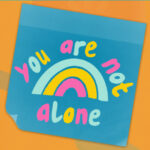
You are not alone

Remember the Six "C"s

I didn’t cause it
I can’t control it
I can’t cure it
I can take care of myself
I can communicate my feelings
I can make healthy choices

Resources you may like

Keep in touch

To find out more about our events and activities, subscribe to our mailing list

We use Mailchimp as our marketing platform. By subscribing, you acknowledge that your information will be transferred to Mailchimp for processing. Learn more about Mailchimp’s privacy practices.