My story
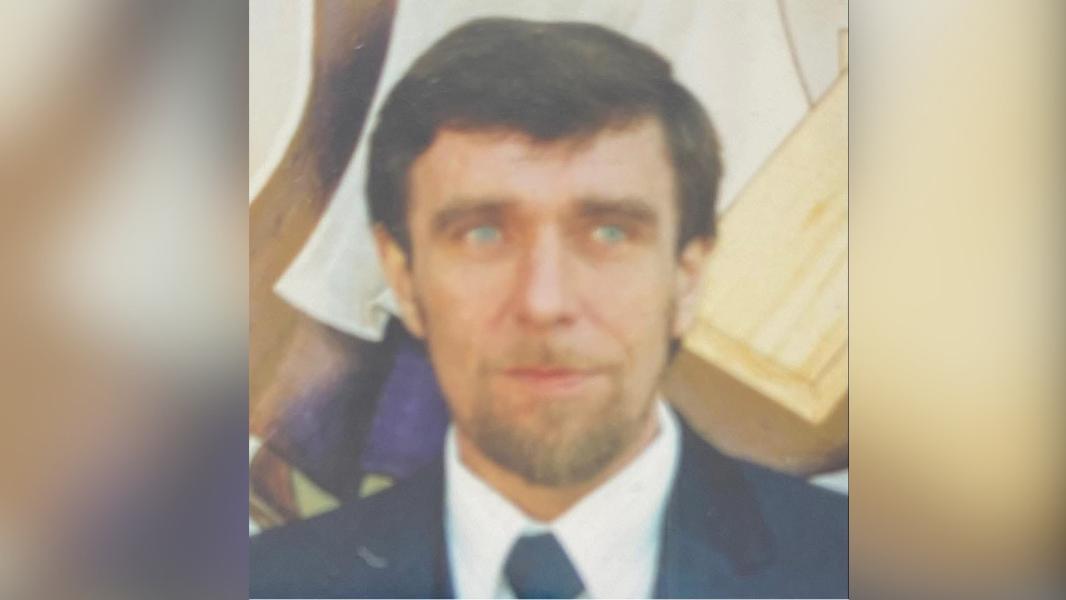
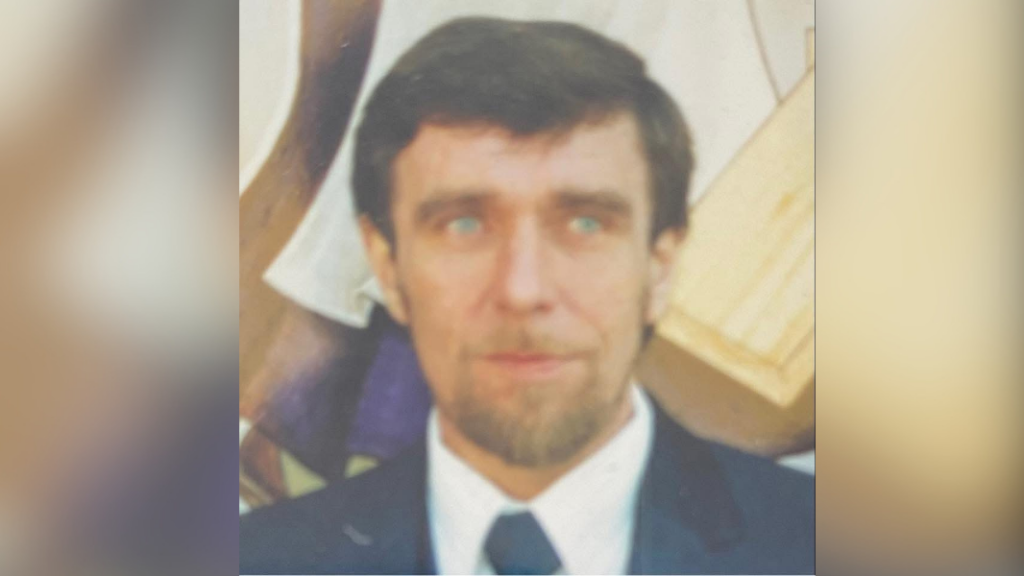
My dad always liked a drink. Growing up, he would go to the Royal British Legion most evenings, and sometimes he would bring home a bottle of Coke for each of us five bottles lined up on the worktop for the morning.
When I was young, that felt like love. It meant he had thought of us.
He was a good dad. He had his own building business, we had a lovely home, and he converted the loft into two bedrooms and a shower room for me and my older sister.
He worked hard and he was warm. The drinking was just part of him back then, not the whole of him.
An incident that changed everything
That changed in April 1989. I was fourteen, working my Saturday job at the hairdressers, when my family were involved in a train crash.
They were in the last carriage to stay on the tracks. The rest of the train had gone down a steep embankment into people’s gardens below.
Once my dad had checked that our family were safe, he went down that embankment and he helped pull people out. The last man he rescued died in his arms. He had a little boy with him.
My dad was never the same
Dad had also fractured part of his spine in the crash, which meant he could no longer do the physical work his business needed. He sold up.
The recession had hit at around the same time, so work was scarce anyway. He received compensation from the train company. And he drank.
He surrounded himself with people who also drank. I would come home from school some days and our kitchen table, the one where we had all sat together for family dinners, would be full of men drinking with my dad.
He would be pleasant when they were there. Welcoming. And then when they left, he would leave with them, and come back later on an absolute rampage.
Not every night. But more nights than not.
His tone of his voice told what kind of night it was going to be
I learned to listen for the key in the door. I could tell from another room, just by the tone of his voice, what kind of night it was going to be. If I could see his eyes, I could read it in those.
Whether he was going to go quietly to bed or whether he was going to start on my mum, accusing her of things that made no sense, stories he had heard down the pub or invented entirely.
My mum was at home with five children. She never went anywhere. But that didn’t matter.
I would say, it’s okay, I’ll sort it out
I was the second eldest. My younger brothers and sisters were quite a bit younger than me. I was seven when the youngest of them was born.
On the bad nights I would go downstairs and find them already sitting on the stairs, listening. I would tell them to go back to bed. I would say, it’s okay, I’ll sort it out.
And then I would go and stand between my mum and my dad and I would tell him to stop. That his children were on the stairs. That he needed to go to bed.
I was fourteen years old.
He went into the drying out ward at the local hospital a few times over the years. He never stayed. He always checked himself out.
I remember my mum telling me about a woman who came to the house to talk to him about going into a proper rehab facility, somewhere he would have no access to alcohol for three months. When he understood what that meant, he threw her out.
He chose alcohol over us
He chose alcohol over us. Over and over again, he chose alcohol over us.
One afternoon I was walking home from college and cut through town to save time. I turned a corner and there he was, sat on a bench with the drinkers. He had checked himself out again.
I froze. And then I ran. I ran all the way home crying because it meant the cycle wasn’t going to be broken, not this time, and the arguments were going to start again and nothing was ever going to change.
I ran because I didn’t want him to call me over. I didn’t want anyone to see me with him. I didn’t want anyone to know that was my dad.
I carried the shame of running for a very long time.
The moment my mum truly understood the scale of it
Around that time, my mum and I were in the kitchen one afternoon when we heard a rattling sound coming from the corner. It was coming from the pipes connected to the immersion heater upstairs.
We opened the cupboard and found thirty-two empty bottles he had hidden behind it. And then we started looking. Miniature bottles inside the toilet cistern. The cellar where he kept his tools when we opened the sideboards, bottles just poured out.
That was the moment my mum truly understood the scale of it. Not that he liked a drink. Not that he went to the pub. But that this was something else entirely.
She tried to get him help. He didn’t want it.
You don’t just forget that kind of threat
Eventually my mum was on the domestic violence register by then. She had a red button linked directly to the police because he would come back to the house and be abusive even after he had stopped coming home regularly.
One day he arrived very drunk and told her he was going to come back that night and shoot us all in our beds. He had rifles in the cellar.
The police knew about them and they had said it was safer to leave them there. After that visit, my mum called the police and had them taken away.
He never came back that night. It was a drunken rant. But you don’t just forget that kind of threat.
That friend Mum says she saved her life.
My mum eventually stood up for herself. He hadn’t come home for three days when a friend of hers said, simply, when is this going to stop? My mum hadn’t realised anyone else had noticed.
That friend was the turning point, my Mum says she saved her life. She took his things to the flat where he was staying and told him not to come back.
I felt like it was my problem
Sometimes he would phone me and cry that he had nothing left but a bottle of vodka. That it was everyone else’s fault. My husband at the time told me to stop taking the calls, that it wasn’t my fault, that it wasn’t my problem.
But I felt like it was my problem. I felt like it had always been my problem.
Alcohol took everything from him
My dad died in 2001. He was forty-nine years old. He had always said he would never make it to fifty.
When he died, we found a receipt in his flat for his weekly benefits. It was forty pounds. Thirty-nine one-pound bottles of cider. And a ninety-nine pence bag of doughnuts.
I have thought about that receipt many times over the years.
A man who had built a business, converted a loft with his own hands, and was a brilliant Dad to five children, reduced to spending his last forty pounds on thirty-nine bottles of cider and a bag of doughnuts.
Alcohol took everything from him. And it took a great deal from us.
For five years after he died, I blamed myself
For five years after he died, I blamed myself. I thought that if I had brought him to Yorkshire with me, I could have saved him. My mum used to remind me, gently, that there was a pub at the top of my road.
That you cannot lock someone in a room and feed them pizza when they do not want to be saved. She was right. He had so many opportunities. He just didn’t want help.
What I didn’t understand then, what I have only come to understand in the last few years is why it hit me as hard as it did.
I have carried feelings of not being enough for most of my life
My biological father rejected me almost as soon as I was born. When my stepdad came into my life, when I was three or four, he treated me like his own. For most of the life he lived, he still did.
But when he chose alcohol over his family, over and over again, I felt it not just as abandonment but as confirmation of something I had carried since before I could name it. I had already not been chosen once. And now it was happening again.
I have carried feelings of not being enough for most of my life. Of shame. Of guilt. Of being responsible for everyone else’s chaos, of always being the strong one, of never quite feeling chosen.
I have put most of it down now
I am fifty-one now. It was only at forty-eight that I finally started doing the deep work the somatic healing, the body work, the sitting with things I had spent decades pulling away from. I have put most of it down now. Not all of it. But most.
I work now with adult survivors of people with alcohol dependency, whether it was a parent . I do this not because I have all the answers, but because I know exactly what it feels like to carry these things.
I know what it feels like to stand on the stairs listening. To run from your own father. To read someone’s eyes from across a room.
I didn’t know that what I lived through had a name
I believe that what happened to me happened for a reason. I believe I was meant to be a messenger to help other people find their way out of this sooner than I did.
Nobody should have to carry this for thirty years before they find the words for it. I didn’t know that there were words. I didn’t know that what I had lived through had a name, or that other people had lived through it too.
Now I do. And that is why I am here.
Donna
To read more experience stories, please go to Support & Advice.