Love, loss and understanding
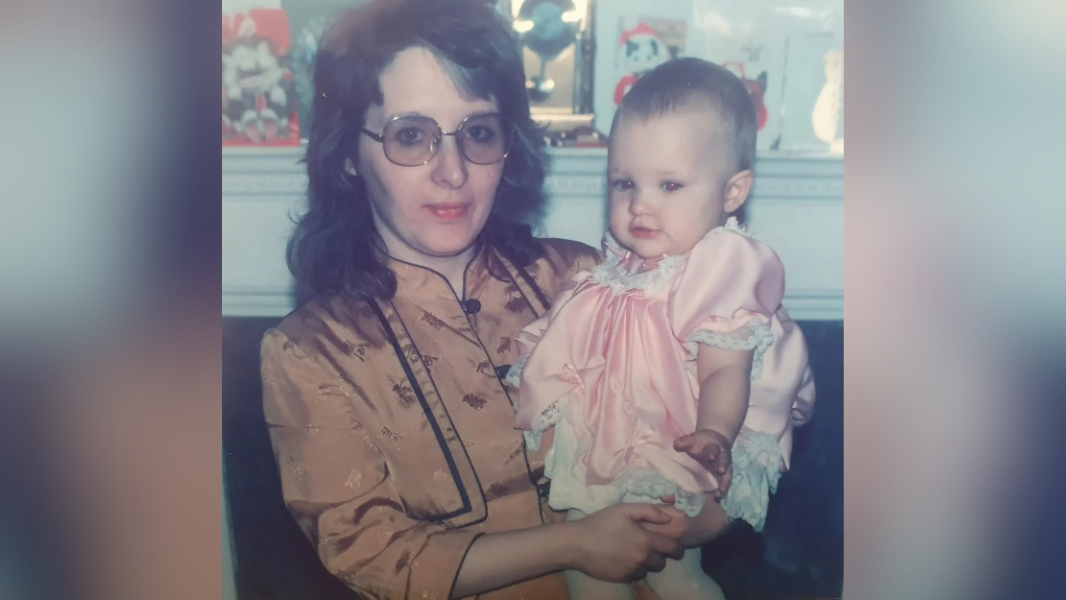
I’ve met many new people since 2011 – the year my mum passed away after a long and painful battle with alcohol addiction. For years, I wanted to write about it, but I never wanted it to be a “woe is me” story.
I wanted it to be honest and human, because addiction carries a stigma that often hides the truth. It doesn’t always look like someone on a park bench with a can in a paper bag.
Sometimes it looks like someone who loves their family deeply but is fighting a battle they never chose.
Losing my dad
My dad died of cancer in 1999 at just 53. My mum was 45. I was 13. Suddenly she was left to look after me, my two siblings and our Nan. She couldn’t drive, couldn’t run their business alone, and had lost the person she depended on most.
She still had family, friends, and two beautiful grandchildren. But she had lost the love of her life, her partner of many happy years. The grief was unimaginable. Looking back, we saw the signs of severe depression long before we understood what they meant.
Alcohol became the thing that softened the edges of her pain. What starts as a drink after a bad day can feel harmless. But her bad day didn’t end. It stretched into weeks, months, and eventually more than a decade.
Everyday fear
As her drinking worsened, ordinary parts of life became heavy. Christmas, which had once been full of excitement and family, became something I dreaded.
I knew she would be drunk. I knew the day would be unpredictable. The build-up wasn’t about presents anymore. It was about bracing myself.
The same thing happened with events. I remember taking her to my friend’s 21st birthday party. She had already drunk heavily before we left the house.
As soon as we arrived, she fell over. The embarrassment hit me like a wave. After that, celebrations didn’t feel like celebrations. They felt like risks.
These moments stay with you. They shape how you move through the world and make you grow up faster than you should.
Trying to live my own life
I went travelling for what was meant to be 6 months. I was excited to reset and escape the constant fear of the next crisis.
7 weeks in, I got a call from my siblings. Mum had been taken into hospital and given a 20% chance of surviving the next 48 hours. Coming home wasn’t a question, it was a necessity.
Seeing her in that hospital bed broke me. She didn’t look like Mum anymore. She looked like a frail old lady; someone I barely recognised. My heart shattered.
She survived those first 48 hours, not surprisingly as she was always stubborn and feisty. I visited her almost every day. 3 months later, on 4 July 2011, she passed away.
Watching someone you love disappear
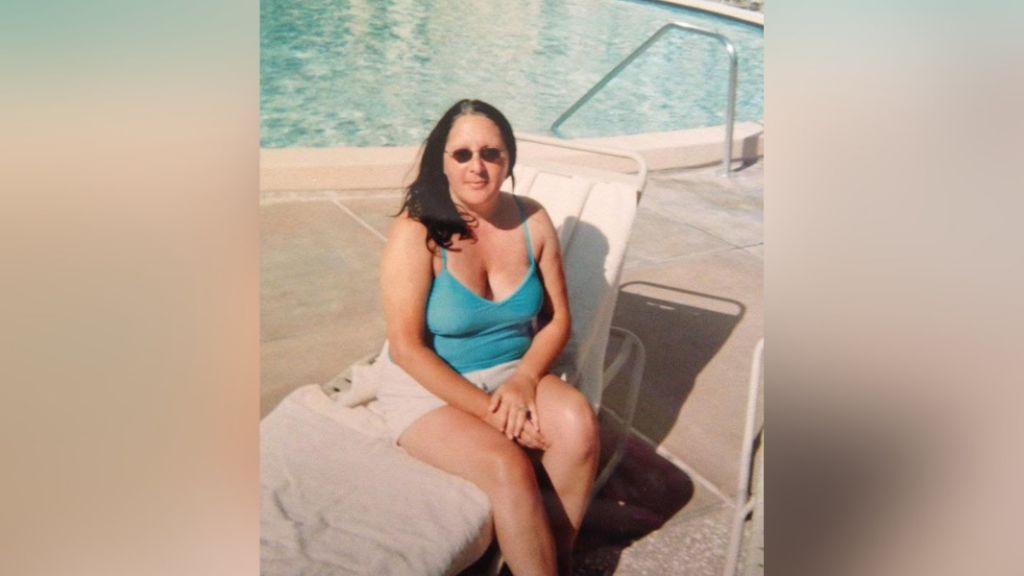
My mum was the life and soul. Her smile lit up everything. But slowly, we watched her fade.
We all tried countless times to help her see she had a problem. But addiction is powerful, and denial is often part of the illness. We couldn’t reach her until it was too late.
The damage wasn’t just to her – it affected all of us. Every ambulance siren made our hearts stop. Every day carried the fear of what we might find when we got home.
Eventually, her liver failed. Years of alcohol misuse had destroyed her organs, and they simply couldn’t keep going.
Relief and guilt
My mum passed away peacefully. And as difficult as it is to admit, there was a sense of relief. Relief that she was no longer suffering, and relief that we were no longer living in constant fear.
That relief came with guilt. Guilt that I couldn’t save her. Guilt that I hadn’t done more. Guilt that part of me felt lighter when she was gone.
I carried that guilt for years, and part of me still does. But I’ve learned that guilt is common for children of alcoholics. It’s heavy, but it’s misplaced. Addiction is an illness, and sometimes love isn’t enough to pull someone out of it.
What I know now
I was around 15 when I first noticed her drinking heavily. I was 25 when she died.
It took me years to understand that addiction doesn’t mean someone is selfish or uncaring. It doesn’t mean they choose alcohol over their family.
My mum loved us endlessly. She would have done anything for us, except win a battle she didn’t have the strength to fight.
Addiction won. But her love never left.
Why I’m sharing this
I’m sharing this for anyone who grew up with a parent battling addiction. For anyone who has felt guilt, shame, fear, or confusion. For anyone who has loved someone who couldn’t stop.
You are not alone. Your feelings are valid. And your story doesn’t have to be defined by their illness.
Addiction affects all kinds of people. It doesn’t discriminate. It doesn’t care how loved someone is. It’s time we talked about it without stigma, with compassion, honesty and understanding.
Nikkie
To read more experience stories, please go to Support & Advice.