

The balancing act

Alcoholism is complex, and so are alcoholics.

The balancing act

I have a terrible confession.

The first thing in my mind, after receiving the terrible, life shattering news that my Dad had died, was: honestly, I’m not surprised.

It was, in every other sense, a day like any other.

I’d gone to work, as normal, returned home, as normal, gone about my evening, as normal.

I now consider my life to be split into two parts: the time leading up to the moment I heard the news that would change my life forever—that my father had been found dead—and every moment that’s followed.

But in that moment, all I could think was that I’d known this day was coming for a long, long time.

Living in a vigilant state of mind

This is often the way you live, when someone you love struggles with an unmanaged addiction. You spend a lot of time subconsciously preparing yourself for this, or similar, news.

You find yourself scrolling back to have a second look at police news reports as you pass them on Facebook, and scan for familiar faces on street corners – just in case it’s them.

This vigilant state is a familiar feeling to many children of alcoholic parents.

I never knew what to say about his death

I was afraid, at first, to tell people that he’d passed. I’m so sorry for your loss, they’d say. But if you don’t mind me asking, how did he pass?

I don’t blame them. He was a young man, by many standards. Had always kept himself well, was a keen sportsman – everyone who knew him had always known him to be in good health.

I never know what to say. Not only for the wealth of shame and taboo that surrounds addiction, but also out of a fierce want to protect him – his pride, his memory.

I wanted to shield him from judgement

Alcoholism makes people’s life circumstances complex and messy, and I didn’t want to let these people in on the most vulnerable moments of his life.

I wanted to shield him from their judgement, to allow him a little of the dignity addiction has a tendency to strip. To let him be, at least in someone else’s mind, the man he once was again.

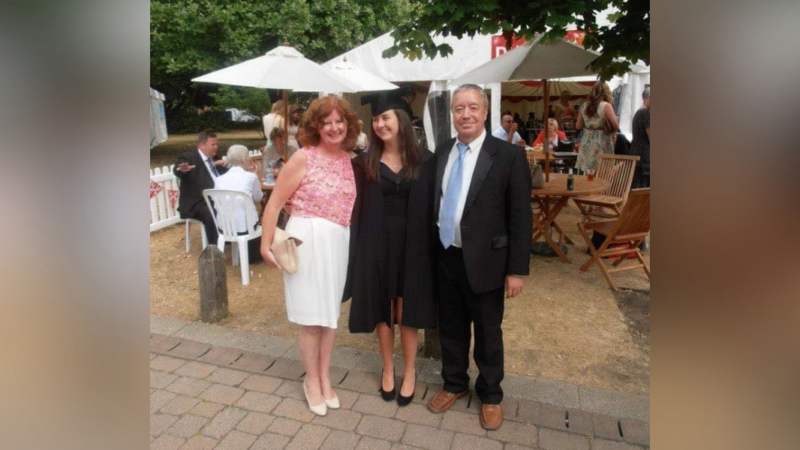
My Dad was an addict. But he was so many other things, too. He was the brightest, funniest man I’ve ever known. The owner of the largest collection of Levi’s I will probably ever know. A keen sportsman, and a gifted maker of any manner of things.

He was a brilliant man, anyone who knew him would be quick to tell you.

Many of my best memories are tainted

It’s hard for the children of alcoholics to hear people say things like this. Hard to think of the things that have been stripped from people.

It is hard for me to balance, in my memory, the Dad in the pits of addiction, with the Dad who used to sew my school costumes by hand.

To remember the laughs without also remembering the tears. Many of my best memories are slightly tainted by a sense of fear, of waiting for the penny to drop.

To admit these things out loud feels like a betrayal of him, his memory, and his life. To admit the happy memories, the proud moments, also feels like a betrayal of the people who were hurt by his addiction.

Alcoholism is complex, and so are alcoholics

This is the balancing act many children of alcoholics must learn to master. Alcoholism is complex, and so are alcoholics.

My dad was so many things in his life. He had so much to offer the world. It’s an eternal shame that he died an alcoholic, because he was so much more than that.

This is a long winded way of reaching what is actually quite a simple point: you don’t have to pick a lane. You don’t have to decide that you feel one way about something, or someone.

You can hold complex memories, emotions, and beings, at once without needing to make a final verdict on them.

It’s complex, and so are we. But, actually, some things are allowed to be.

Lauren

To read more experience stories, go to Support & Advice.

Categories:

The balancing act

Alcoholism is complex, and so are alcoholics.

The balancing act

Alcoholism is complex, and so are alcoholics.

The balancing act

I have a terrible confession.

The first thing in my mind, after receiving the terrible, life shattering news that my Dad had died, was: honestly, I’m not surprised.

It was, in every other sense, a day like any other.

I’d gone to work, as normal, returned home, as normal, gone about my evening, as normal.

I now consider my life to be split into two parts: the time leading up to the moment I heard the news that would change my life forever—that my father had been found dead—and every moment that’s followed.

But in that moment, all I could think was that I’d known this day was coming for a long, long time.

Living in a vigilant state of mind

This is often the way you live, when someone you love struggles with an unmanaged addiction. You spend a lot of time subconsciously preparing yourself for this, or similar, news.

You find yourself scrolling back to have a second look at police news reports as you pass them on Facebook, and scan for familiar faces on street corners – just in case it’s them.

This vigilant state is a familiar feeling to many children of alcoholic parents.

I never knew what to say about his death

I was afraid, at first, to tell people that he’d passed. I’m so sorry for your loss, they’d say. But if you don’t mind me asking, how did he pass?

I don’t blame them. He was a young man, by many standards. Had always kept himself well, was a keen sportsman – everyone who knew him had always known him to be in good health.

I never know what to say. Not only for the wealth of shame and taboo that surrounds addiction, but also out of a fierce want to protect him – his pride, his memory.

I wanted to shield him from judgement

Alcoholism makes people’s life circumstances complex and messy, and I didn’t want to let these people in on the most vulnerable moments of his life.

I wanted to shield him from their judgement, to allow him a little of the dignity addiction has a tendency to strip. To let him be, at least in someone else’s mind, the man he once was again.

My Dad was an addict. But he was so many other things, too. He was the brightest, funniest man I’ve ever known. The owner of the largest collection of Levi’s I will probably ever know. A keen sportsman, and a gifted maker of any manner of things.

He was a brilliant man, anyone who knew him would be quick to tell you.

Many of my best memories are tainted

It’s hard for the children of alcoholics to hear people say things like this. Hard to think of the things that have been stripped from people.

It is hard for me to balance, in my memory, the Dad in the pits of addiction, with the Dad who used to sew my school costumes by hand.

To remember the laughs without also remembering the tears. Many of my best memories are slightly tainted by a sense of fear, of waiting for the penny to drop.

To admit these things out loud feels like a betrayal of him, his memory, and his life. To admit the happy memories, the proud moments, also feels like a betrayal of the people who were hurt by his addiction.

Alcoholism is complex, and so are alcoholics

This is the balancing act many children of alcoholics must learn to master. Alcoholism is complex, and so are alcoholics.

My dad was so many things in his life. He had so much to offer the world. It’s an eternal shame that he died an alcoholic, because he was so much more than that.

This is a long winded way of reaching what is actually quite a simple point: you don’t have to pick a lane. You don’t have to decide that you feel one way about something, or someone.

You can hold complex memories, emotions, and beings, at once without needing to make a final verdict on them.

It’s complex, and so are we. But, actually, some things are allowed to be.

Lauren

To read more experience stories, go to Support & Advice.

You are not alone

Remember the Six "C"s

I didn’t cause it
I can’t control it
I can’t cure it
I can take care of myself
I can communicate my feelings
I can make healthy choices

Resources you may like

Keep in touch

To find out more about our events and activities, subscribe to our mailing list

We use Mailchimp as our marketing platform. By subscribing, you acknowledge that your information will be transferred to Mailchimp for processing. Learn more about Mailchimp’s privacy practices.