You were never around to see any of my milestones

Ali reflects on the lessons her dad’s alcoholism taught her.

You were never around to see any of my milestones

I recently lost my dad.

Our relationship was not free of complexity, largely due to his alcohol use. As a result, the grief process has been just as complex.

In many ways, I feel like I had already grieved before he passed away. I had grieved the relationship I wished we could have had, as a way of protecting myself from what could never be.

I had feared this day for years. And now that it has finally happened, I was left with another layer of grief: the certainty of what will never happen.

He will never see me get married. He will never meet my children or be part of their lives.

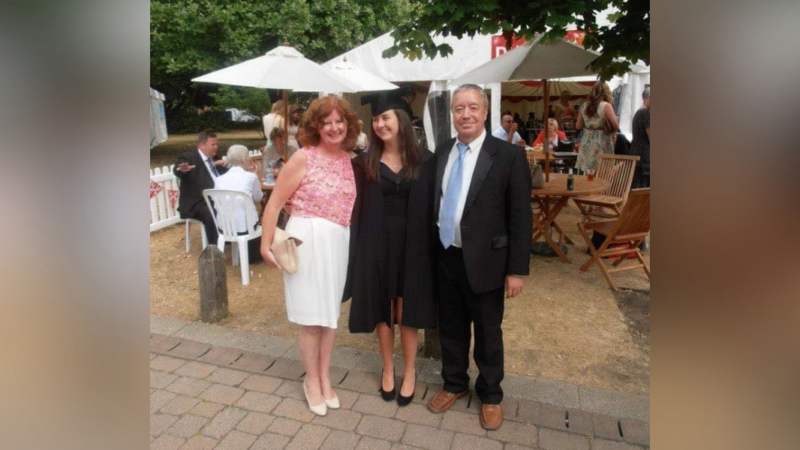
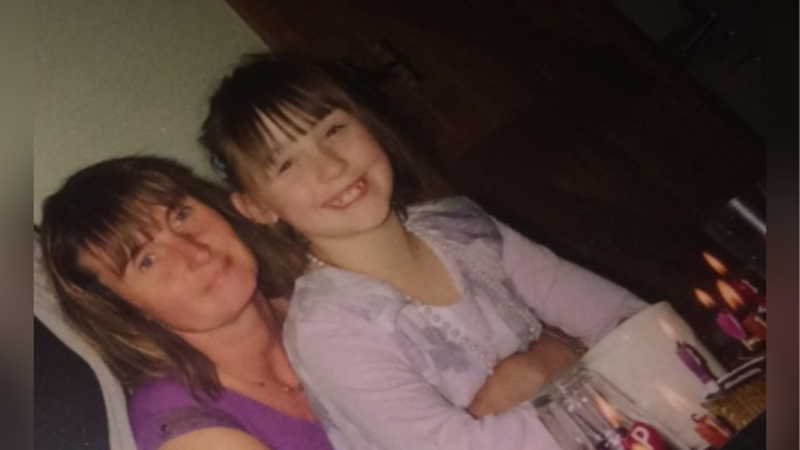
We were strangers for the last 18 years, which explains why I am only left with three photos to remember him by. I will never get answers or closure now, and that feels more concrete than ever.

I couldn’t understand what I had done so wrong

As a child, I couldn’t understand what I had done so wrong, what had made me feel unlovable, or why I always seemed to come second best to alcohol.

Like so many children in similar situations, I blamed myself. I carried that belief quietly, and it followed me into adulthood, shaping my confidence, my beliefs about myself and others, and often leading to a deep sense of isolation.

I was always too scared to speak up. You learn early on that this is something not to talk about openly. Would he get into trouble? What would happen to me?

I lived in a constant state of fear

That silence left me feeling different from other children, I didn’t have as many positive things to share, or stories I felt able to tell. I believed that if I were better, quieter, easier to love, things might change.

My worries should have been about which colouring pencil to choose. Instead, they were about what state you would come home in, whether you would be angry, and how the evening might unfold.

This was so different to the loving dad you were before you left the house. I lived in a constant state of fear and uncertainty and would often cry myself to sleep.

It makes you grow up ahead of your time. This is a caregiver you should feel safe around, yet instead you live in a state of hypervigilance. Something that ultimately shapes the rest of your life and your relationships.

Childhood feelings don’t simply disappear with age

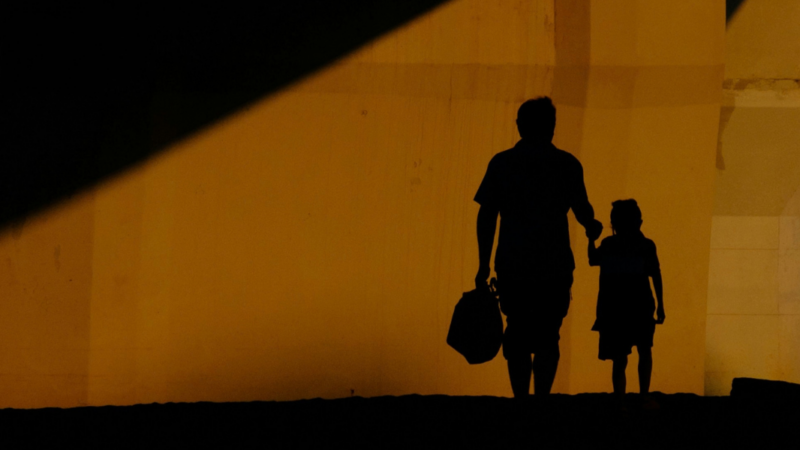
As I grew older, I watched proactive, present dads with their children. Seeing those relationships left me with a feeling I couldn’t fully explain at the time, a deep sense of longing for something I knew I would never have. Those childhood feelings don’t simply disappear with age.


Stigma around alcohol use continues to exist, often acting as a barrier to reaching out for support. This is a heavy thing for any child to carry alone, especially with little to no understanding or support.

Throughout my life, I often heard adults normalising what I had experienced with comments such as, “but that’s your blood,” placing a deep and unfair sense of responsibility on me, one no child should ever carry.

At the time, it didn’t occur to me that my dad may have been fighting battles of his own, or that he may not have fully understood the impact his drinking had on those around him.

But the effects of addiction on a child are long-lasting, regardless of a parent’s involvement.

I began to understand your difficulties

I decided to pursue a career in psychology. Through that, I began to understand your difficulties and the battles you must have been fighting silently.

In my interview, I was asked why I had applied and what had shaped me as a person. I spoke about you. You were never around to see any of my milestones.

They say the things we face in life serve lessons. I haven’t figured this one out yet. But I hope I can go on to support people like you, and more importantly, children and families who are also affected but often forgotten about.

I hope I can finally make you proud.

Raising awareness, compassion, and hope

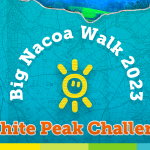
Speaking out has been out of my comfort zone, but I feel a sense of duty, especially to ‘little me’. I will be doing a 15-mile walk in support of Nacoa. This isn’t just about raising money, but about raising awareness, compassion, and hope.

I want other children in similar situations to know they are not alone, not invisible, and not to blame. I was deeply touched when I raised £1,400 in nine days, but even more by the personal messages that I received.

People shared that my experiences resonated with them. People had never heard of the charity but thought it was such a great cause, which is reflected in the generosity of donations.

We may not be able to change the past, but we can work together to take steps towards a better and brighter future.

Ali

Categories:

You were never around to see any of my milestones

Ali reflects on the lessons her dad's alcoholism taught her.

You were never around to see any of my milestones

Ali reflects on the lessons her dad's alcoholism taught her.

You were never around to see any of my milestones

I recently lost my dad.

Our relationship was not free of complexity, largely due to his alcohol use. As a result, the grief process has been just as complex.

In many ways, I feel like I had already grieved before he passed away. I had grieved the relationship I wished we could have had, as a way of protecting myself from what could never be.

I had feared this day for years. And now that it has finally happened, I was left with another layer of grief: the certainty of what will never happen.

He will never see me get married. He will never meet my children or be part of their lives.

We were strangers for the last 18 years, which explains why I am only left with three photos to remember him by. I will never get answers or closure now, and that feels more concrete than ever.

I couldn’t understand what I had done so wrong

As a child, I couldn’t understand what I had done so wrong, what had made me feel unlovable, or why I always seemed to come second best to alcohol.

Like so many children in similar situations, I blamed myself. I carried that belief quietly, and it followed me into adulthood, shaping my confidence, my beliefs about myself and others, and often leading to a deep sense of isolation.

I was always too scared to speak up. You learn early on that this is something not to talk about openly. Would he get into trouble? What would happen to me?

I lived in a constant state of fear

That silence left me feeling different from other children, I didn’t have as many positive things to share, or stories I felt able to tell. I believed that if I were better, quieter, easier to love, things might change.

My worries should have been about which colouring pencil to choose. Instead, they were about what state you would come home in, whether you would be angry, and how the evening might unfold.

This was so different to the loving dad you were before you left the house. I lived in a constant state of fear and uncertainty and would often cry myself to sleep.

It makes you grow up ahead of your time. This is a caregiver you should feel safe around, yet instead you live in a state of hypervigilance. Something that ultimately shapes the rest of your life and your relationships.

Childhood feelings don’t simply disappear with age

As I grew older, I watched proactive, present dads with their children. Seeing those relationships left me with a feeling I couldn’t fully explain at the time, a deep sense of longing for something I knew I would never have. Those childhood feelings don’t simply disappear with age.

Stigma around alcohol use continues to exist, often acting as a barrier to reaching out for support. This is a heavy thing for any child to carry alone, especially with little to no understanding or support.

Throughout my life, I often heard adults normalising what I had experienced with comments such as, “but that’s your blood,” placing a deep and unfair sense of responsibility on me, one no child should ever carry.

At the time, it didn’t occur to me that my dad may have been fighting battles of his own, or that he may not have fully understood the impact his drinking had on those around him.

But the effects of addiction on a child are long-lasting, regardless of a parent’s involvement.

I began to understand your difficulties

I decided to pursue a career in psychology. Through that, I began to understand your difficulties and the battles you must have been fighting silently.

In my interview, I was asked why I had applied and what had shaped me as a person. I spoke about you. You were never around to see any of my milestones.

They say the things we face in life serve lessons. I haven’t figured this one out yet. But I hope I can go on to support people like you, and more importantly, children and families who are also affected but often forgotten about.

I hope I can finally make you proud.

Raising awareness, compassion, and hope

Speaking out has been out of my comfort zone, but I feel a sense of duty, especially to ‘little me’. I will be doing a 15-mile walk in support of Nacoa. This isn’t just about raising money, but about raising awareness, compassion, and hope.

I want other children in similar situations to know they are not alone, not invisible, and not to blame. I was deeply touched when I raised £1,400 in nine days, but even more by the personal messages that I received.

People shared that my experiences resonated with them. People had never heard of the charity but thought it was such a great cause, which is reflected in the generosity of donations.

We may not be able to change the past, but we can work together to take steps towards a better and brighter future.

Ali

You are not alone

Remember the Six "C"s

I didn’t cause it
I can’t control it
I can’t cure it
I can take care of myself
I can communicate my feelings
I can make healthy choices

Resources you may like

Keep in touch

To find out more about our events and activities, subscribe to our mailing list

We use Mailchimp as our marketing platform. By subscribing, you acknowledge that your information will be transferred to Mailchimp for processing. Learn more about Mailchimp’s privacy practices.