The price of silence, alcoholism, and hitting rock bottom

My mother’s alcoholism meant she was not terribly emotionally present.

The price of silence, alcoholism, and hitting rock bottom

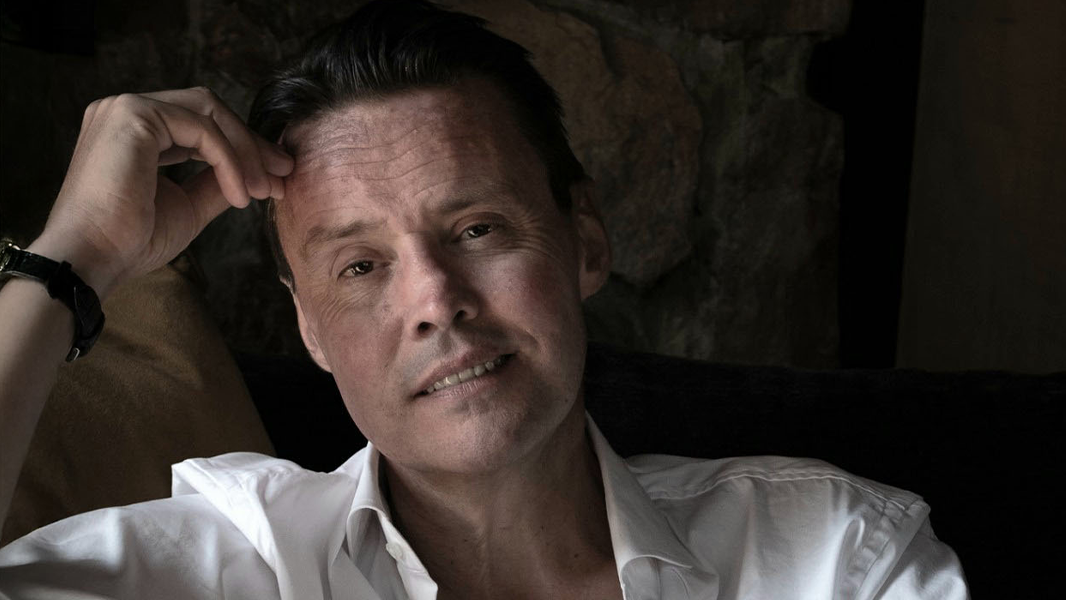
By Piers Scrimshaw-Wright

My early childhood, in the 1970s, was perfect to the outside observer – a beautiful home in the Garden of England, Kent – but on the inside I was in turmoil.

From an early age, I was exposed to alcohol and encountered trauma, as the child of an alcoholic mother. My mother’s alcoholism meant she was not terribly emotionally present and she could be a risk to my welfare.

I also had to care for her at times. Consequently, I was packed-off to boarding school aged six and three quarters. At one level this was a blessing, and certainly a privileged existence, but I recall having an overwhelming sense of abandonment at the time.

It meant, I did not develop emotionally in my early years – hardly at all in fact – and, as I look back, this was only ever going to ‘bite’ me at a later date, and it certainly did so.

Living behind emotional silence

I was excellent at suppressing my emotions, and not expressing them, and over time had little propensity to even recognise emotions. Worse still, I thought having any kind of emotion, or feeling, was a bad thing. It is quite the opposite, certainly if channelled and harnessed positively.

It also meant I ‘normalised’ abnormal behaviours. Historically, I thought to just carry on regardless was both the ‘right thing to do’  and my attempt to ‘do the right thing’. How wrong I was.

I could become emotionally absent and sometimes aloof even. This meant I was at risk of being misunderstood. I started most relationships from a position of mis-trust, for fear of getting hurt; certainly in my private life. These ‘pains of silence’ would grow louder with age.

I had to emotionally grow-up and ‘break the silence’ to take on life properly. Notwithstanding my inherent deficiencies, I forged a successful career in business. I put this down to making sound rational decisions based on empirical data and predictability to outcome, rather than being based on emotions. Every cloud has a silver lining I guess.

When silence transformed into alcoholism

In my private life, I was often in a ‘state of silence’, and I know now this is not a ‘state of peace’. It also meant I disconnected from my own needs, often putting the needs of others before my own.

It gave me a certain self-sufficiency for sure, which I thought was laudable, but most things in life are best addressed when shared. I never wanted to ask for help and it nearly cost me my own life.

Unable to cope, I somewhat inevitably slipped into my own grips of severe alcoholism aged 50, in 2021. I found sobriety in 2024 and I am recovering well having addressed my emotional shortcomings. I had an epiphany in April 2024 – I decided to write my life story from birth.

Writing my way back to life

Despite my first-class education, I was poorly read (still am), suffer from dyslexia and my command of the English language is best described as ‘ordinary’. But, with sobriety I have discovered a new skill – telling a story and telling it well.

My writing became my now published autobiography, Rock Bottom – www.rockbottom.info.

It became my purpose. My Ikigai – a Japanese ethos for brining ‘meaning’ to your life based on four venerable pillars. My biography is in many ways the keystone of my sobriety.

I believe it has modest value to society because it just may help some who are suffering from alcoholism or an addiction, or their suffering loved ones, and help create wider awareness of just how indiscriminate and serious alcoholism is.

Alcohol may be legal and socially acceptable, but alcoholism and addiction remains largely taboo.

Breaking the intergenerational chain

It can be an intergenerational condition that morphs into very serious illness, certainly if left untreated. This is the journey I have been on. I hope the intergenerational chain-link is broken, and just maybe because of my preparedness to be open and vulnerable.

Once wholeheartedly embraced, recovery is fun, empowering and rewarding, it really is. Vulnerability can become one’s strength – it has become mine. My best days are now ahead of me and helping those that still suffer remains a priority for me.

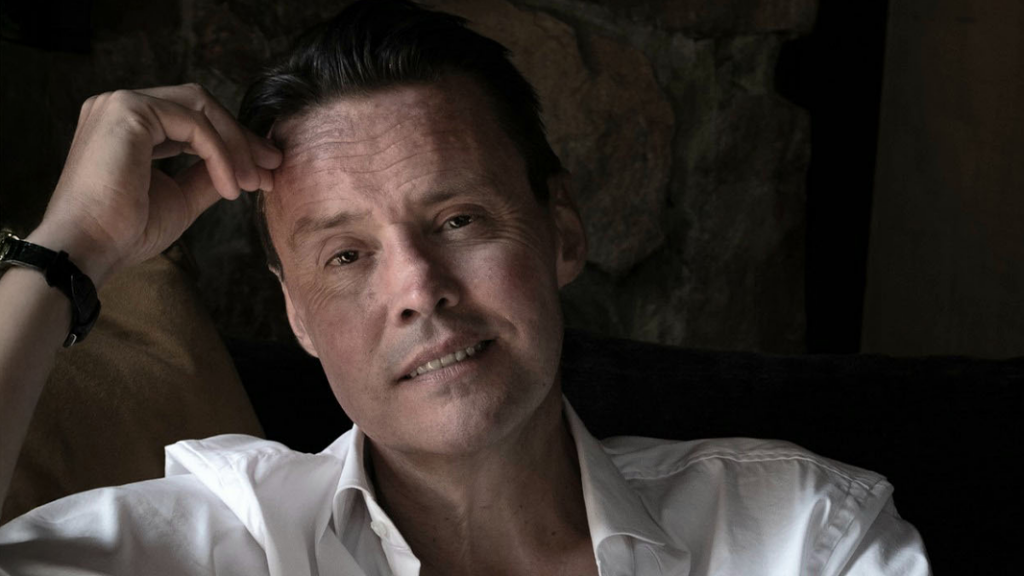
Piers Scrimshaw-Wright

Piers is a writer, businessman and recovering alcoholic whose forthcoming autobiography, Rock Bottom, explores childhood trauma, addiction and recovery.

The book will soon be published in aid of Nacoa.

Find out more at:
www.rockbottom.info

Leave a Reply

The price of silence, alcoholism, and hitting rock bottom

My mother’s alcoholism meant she was not terribly emotionally present.

The price of silence, alcoholism, and hitting rock bottom

My mother’s alcoholism meant she was not terribly emotionally present.

  • About Nacoa

    My mother’s alcoholism meant she was not terribly emotionally present.

  • About Nacoa

    My mother’s alcoholism meant she was not terribly emotionally present.

  • Hello!

    My mother’s alcoholism meant she was not terribly emotionally present.

  • Nacoa branding - style guide

    My mother’s alcoholism meant she was not terribly emotionally present.

  • Contact us Person looking at Nacoa's website for people affected by a parent's drinking to show different ways to contact for support or to get involved with the charity to help other children of alcoholics

    My mother’s alcoholism meant she was not terribly emotionally present.

  • Governance

    My mother’s alcoholism meant she was not terribly emotionally present.

  • History

    My mother’s alcoholism meant she was not terribly emotionally present.

  • Nacoa Helpline

    My mother’s alcoholism meant she was not terribly emotionally present.

  • Calling the helpline

    My mother’s alcoholism meant she was not terribly emotionally present.

  • Helpline FAQs

    My mother’s alcoholism meant she was not terribly emotionally present.

  • Managing browser history

    My mother’s alcoholism meant she was not terribly emotionally present.

  • Monitoring & evaluation

    My mother’s alcoholism meant she was not terribly emotionally present.

  • Policies & procedures

    My mother’s alcoholism meant she was not terribly emotionally present.

  • Our people

    My mother’s alcoholism meant she was not terribly emotionally present.

  • Abie Dunlop

    My mother’s alcoholism meant she was not terribly emotionally present.

  • Amanda Brett

    My mother’s alcoholism meant she was not terribly emotionally present.

  • Amy Dickson

    My mother’s alcoholism meant she was not terribly emotionally present.

  • Carolyn Jones

    My mother’s alcoholism meant she was not terribly emotionally present.

  • Cassandra Ohlson Cassandra Ohlson presenting at Nacoa's Stafford Ward Memorial Lecture 2019

    My mother’s alcoholism meant she was not terribly emotionally present.

  • Ceri Walker

    My mother’s alcoholism meant she was not terribly emotionally present.

  • Dr Piers Henriques

    My mother’s alcoholism meant she was not terribly emotionally present.

  • Euan Graham Euan Graham

    My mother’s alcoholism meant she was not terribly emotionally present.

  • Hilary Henriques MBE

    My mother’s alcoholism meant she was not terribly emotionally present.

  • Jamie Brett

    My mother’s alcoholism meant she was not terribly emotionally present.

  • Jane Elson

    My mother’s alcoholism meant she was not terribly emotionally present.

  • Josh Connolly

    My mother’s alcoholism meant she was not terribly emotionally present.

  • Katy Stafford

    My mother’s alcoholism meant she was not terribly emotionally present.

  • Laurence McAllister Alleyne

    My mother’s alcoholism meant she was not terribly emotionally present.

  • Liam Tullberg Liam Tullberg Nacoa

    My mother’s alcoholism meant she was not terribly emotionally present.

  • Lindsay Sykes

    My mother’s alcoholism meant she was not terribly emotionally present.

  • Maya Parker MA

    My mother’s alcoholism meant she was not terribly emotionally present.

  • Peter Irwin

    My mother’s alcoholism meant she was not terribly emotionally present.

  • Tod Harrison

    My mother’s alcoholism meant she was not terribly emotionally present.

  • Patrons & ambassadors

    My mother’s alcoholism meant she was not terribly emotionally present.

  • The Nacoa Promise

    My mother’s alcoholism meant she was not terribly emotionally present.

  • Experiences Search Result

    My mother’s alcoholism meant she was not terribly emotionally present.

  • Get involved

    My mother’s alcoholism meant she was not terribly emotionally present.

  • Donate or become a member

    My mother’s alcoholism meant she was not terribly emotionally present.

  • About Gift Aid

    My mother’s alcoholism meant she was not terribly emotionally present.

  • Become a corporate member

    My mother’s alcoholism meant she was not terribly emotionally present.

  • Become a member

    My mother’s alcoholism meant she was not terribly emotionally present.

  • Welcome new member

    My mother’s alcoholism meant she was not terribly emotionally present.

  • Donate in memory

    My mother’s alcoholism meant she was not terribly emotionally present.

  • Gift in your will

    My mother’s alcoholism meant she was not terribly emotionally present.

  • Give in celebration

    My mother’s alcoholism meant she was not terribly emotionally present.

  • Make a donation

    My mother’s alcoholism meant she was not terribly emotionally present.

  • Thank you!

    My mother’s alcoholism meant she was not terribly emotionally present.

  • More ways to give

    My mother’s alcoholism meant she was not terribly emotionally present.

  • Fundraising

    My mother’s alcoholism meant she was not terribly emotionally present.

  • Thank you for signing up to Big Nacoa Walk 2024! Big Nacoa Walk thumbnail

    My mother’s alcoholism meant she was not terribly emotionally present.

  • Raise awareness

    My mother’s alcoholism meant she was not terribly emotionally present.

  • Sponsored events

    My mother’s alcoholism meant she was not terribly emotionally present.

  • Volunteering

    My mother’s alcoholism meant she was not terribly emotionally present.

  • Nacoa Volunteer Application Form

    My mother’s alcoholism meant she was not terribly emotionally present.

  • Message boards

    My mother’s alcoholism meant she was not terribly emotionally present.

  • Log In

    My mother’s alcoholism meant she was not terribly emotionally present.

  • Message board rules of conduct

    My mother’s alcoholism meant she was not terribly emotionally present.

  • Start a new topic

    My mother’s alcoholism meant she was not terribly emotionally present.

  • Nacoa Teacher Training Feedback Form

    My mother’s alcoholism meant she was not terribly emotionally present.

  • Nacoa: Helping everyone affected by their parent's drinking Nacoa UK Helping everyone affected by their parent's drinking

    My mother’s alcoholism meant she was not terribly emotionally present.

  • News & events

    My mother’s alcoholism meant she was not terribly emotionally present.

  • Events

    My mother’s alcoholism meant she was not terribly emotionally present.

  • Features

    My mother’s alcoholism meant she was not terribly emotionally present.

  • Latest

    My mother’s alcoholism meant she was not terribly emotionally present.

  • News

    My mother’s alcoholism meant she was not terribly emotionally present.

  • Privacy and cookies policy

    My mother’s alcoholism meant she was not terribly emotionally present.

  • Research & resources

    My mother’s alcoholism meant she was not terribly emotionally present.

  • Books, videos and media

    My mother’s alcoholism meant she was not terribly emotionally present.

  • Nacoa professionals training

    My mother’s alcoholism meant she was not terribly emotionally present.

  • Nacoa publications

    My mother’s alcoholism meant she was not terribly emotionally present.

  • Nacoa Schools Outreach Programme

    My mother’s alcoholism meant she was not terribly emotionally present.

  • Nacoa: School Nomination Form

    My mother’s alcoholism meant she was not terribly emotionally present.

  • Research

    My mother’s alcoholism meant she was not terribly emotionally present.

  • Widening Access

    My mother’s alcoholism meant she was not terribly emotionally present.

  • Some Punjabi and Sikh parents drink too much…

    My mother’s alcoholism meant she was not terribly emotionally present.

  • Support & advice

    My mother’s alcoholism meant she was not terribly emotionally present.

  • Adults

    My mother’s alcoholism meant she was not terribly emotionally present.

  • Books, videos and media

    My mother’s alcoholism meant she was not terribly emotionally present.

  • FAQs

    My mother’s alcoholism meant she was not terribly emotionally present.

  • Help and advice

    My mother’s alcoholism meant she was not terribly emotionally present.

  • Information

    My mother’s alcoholism meant she was not terribly emotionally present.

  • Personal experiences

    My mother’s alcoholism meant she was not terribly emotionally present.

  • Children

    My mother’s alcoholism meant she was not terribly emotionally present.

  • Books, videos and media

    My mother’s alcoholism meant she was not terribly emotionally present.

  • FAQs

    My mother’s alcoholism meant she was not terribly emotionally present.

  • Help and advice

    My mother’s alcoholism meant she was not terribly emotionally present.

  • Information

    My mother’s alcoholism meant she was not terribly emotionally present.

  • Personal experiences

    My mother’s alcoholism meant she was not terribly emotionally present.

  • Concerned others & professionals

    My mother’s alcoholism meant she was not terribly emotionally present.

  • Books, videos and media

    My mother’s alcoholism meant she was not terribly emotionally present.

  • FAQs

    My mother’s alcoholism meant she was not terribly emotionally present.

  • Help and advice

    My mother’s alcoholism meant she was not terribly emotionally present.

  • Information

    My mother’s alcoholism meant she was not terribly emotionally present.

  • Personal experiences

    My mother’s alcoholism meant she was not terribly emotionally present.

  • Young people

    My mother’s alcoholism meant she was not terribly emotionally present.

  • Books, videos and media

    My mother’s alcoholism meant she was not terribly emotionally present.

  • FAQs

    My mother’s alcoholism meant she was not terribly emotionally present.

  • Help and advice

    My mother’s alcoholism meant she was not terribly emotionally present.

  • Information

    My mother’s alcoholism meant she was not terribly emotionally present.

  • Personal experiences

    My mother’s alcoholism meant she was not terribly emotionally present.

  • Topics

    My mother’s alcoholism meant she was not terribly emotionally present.

The price of silence, alcoholism, and hitting rock bottom

By Piers Scrimshaw-Wright

My early childhood, in the 1970s, was perfect to the outside observer – a beautiful home in the Garden of England, Kent – but on the inside I was in turmoil.

From an early age, I was exposed to alcohol and encountered trauma, as the child of an alcoholic mother. My mother’s alcoholism meant she was not terribly emotionally present and she could be a risk to my welfare.

I also had to care for her at times. Consequently, I was packed-off to boarding school aged six and three quarters. At one level this was a blessing, and certainly a privileged existence, but I recall having an overwhelming sense of abandonment at the time.

It meant, I did not develop emotionally in my early years – hardly at all in fact – and, as I look back, this was only ever going to ‘bite’ me at a later date, and it certainly did so.

Living behind emotional silence

I was excellent at suppressing my emotions, and not expressing them, and over time had little propensity to even recognise emotions. Worse still, I thought having any kind of emotion, or feeling, was a bad thing. It is quite the opposite, certainly if channelled and harnessed positively.

It also meant I ‘normalised’ abnormal behaviours. Historically, I thought to just carry on regardless was both the ‘right thing to do’  and my attempt to ‘do the right thing’. How wrong I was.

I could become emotionally absent and sometimes aloof even. This meant I was at risk of being misunderstood. I started most relationships from a position of mis-trust, for fear of getting hurt; certainly in my private life. These ‘pains of silence’ would grow louder with age.

I had to emotionally grow-up and ‘break the silence’ to take on life properly. Notwithstanding my inherent deficiencies, I forged a successful career in business. I put this down to making sound rational decisions based on empirical data and predictability to outcome, rather than being based on emotions. Every cloud has a silver lining I guess.

When silence transformed into alcoholism

In my private life, I was often in a ‘state of silence’, and I know now this is not a ‘state of peace’. It also meant I disconnected from my own needs, often putting the needs of others before my own.

It gave me a certain self-sufficiency for sure, which I thought was laudable, but most things in life are best addressed when shared. I never wanted to ask for help and it nearly cost me my own life.

Unable to cope, I somewhat inevitably slipped into my own grips of severe alcoholism aged 50, in 2021. I found sobriety in 2024 and I am recovering well having addressed my emotional shortcomings. I had an epiphany in April 2024 – I decided to write my life story from birth.

Writing my way back to life

Despite my first-class education, I was poorly read (still am), suffer from dyslexia and my command of the English language is best described as ‘ordinary’. But, with sobriety I have discovered a new skill – telling a story and telling it well.

My writing became my now published autobiography, Rock Bottom – www.rockbottom.info.

It became my purpose. My Ikigai – a Japanese ethos for brining ‘meaning’ to your life based on four venerable pillars. My biography is in many ways the keystone of my sobriety.

I believe it has modest value to society because it just may help some who are suffering from alcoholism or an addiction, or their suffering loved ones, and help create wider awareness of just how indiscriminate and serious alcoholism is.

Alcohol may be legal and socially acceptable, but alcoholism and addiction remains largely taboo.

Breaking the intergenerational chain

It can be an intergenerational condition that morphs into very serious illness, certainly if left untreated. This is the journey I have been on. I hope the intergenerational chain-link is broken, and just maybe because of my preparedness to be open and vulnerable.

Once wholeheartedly embraced, recovery is fun, empowering and rewarding, it really is. Vulnerability can become one’s strength – it has become mine. My best days are now ahead of me and helping those that still suffer remains a priority for me.

Piers Scrimshaw-Wright

Piers is a writer, businessman and recovering alcoholic whose forthcoming autobiography, Rock Bottom, explores childhood trauma, addiction and recovery.

The book will soon be published in aid of Nacoa.

Find out more at:
www.rockbottom.info

You are not alone

Remember the Six "C"s

I didn’t cause it
I can’t control it
I can’t cure it
I can take care of myself
I can communicate my feelings
I can make healthy choices

Resources you may like

Keep in touch

To find out more about our events and activities, subscribe to our mailing list

We use Mailchimp as our marketing platform. By subscribing, you acknowledge that your information will be transferred to Mailchimp for processing. Learn more about Mailchimp’s privacy practices.