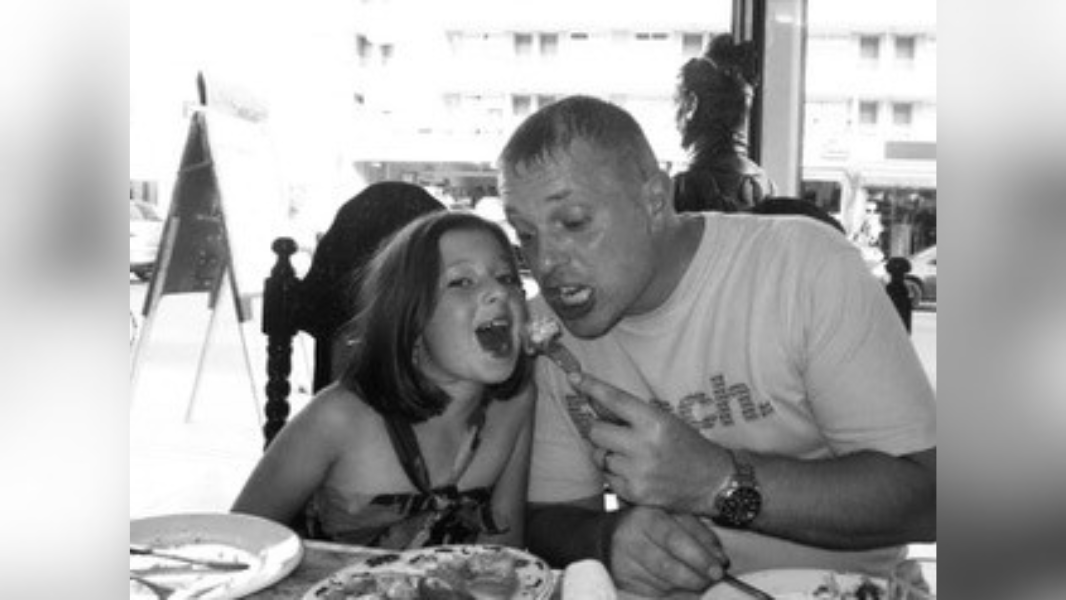
He was meant to walk me down the aisle
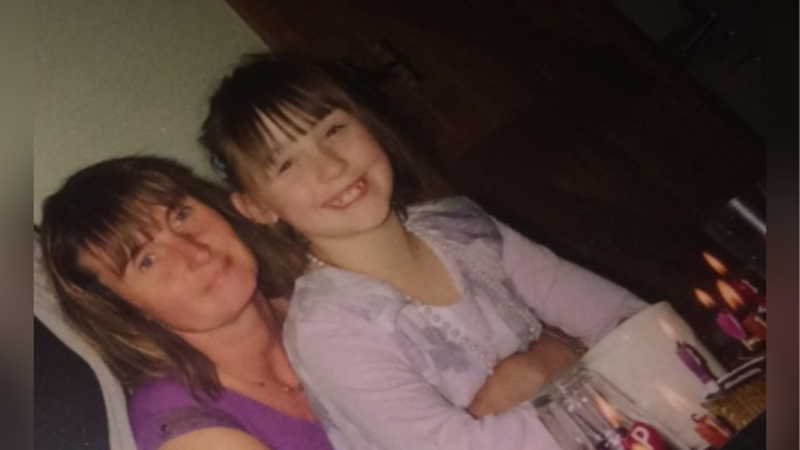
My dad died in 2023. I was 24.
Since then, life has kept moving in ways that feel both beautiful and cruel at the same time. I’m engaged, I have a 20-month-old son, I’ve bought a house, I qualified as a financial planner, and I’m getting married in August. He has missed every single one of those milestones.
He always talked about walking me down the aisle one day. It wasn’t just something he said in passing. It was something he truly believed he would be there for, something we both quietly held onto.
Now I’m planning my wedding without him, knowing that moment will never happen, and that he will never meet his grandson.
That’s a kind of grief that doesn’t really soften, it just becomes part of you.
I didn’t see it – until I couldn’t ignore it
I don’t know when his drinking started, and I think that’s part of what makes it harder to process.
My parents separated when I was very young, so my time with him was mostly weekends, and because of that it was easy not to notice anything was wrong.
If there were signs, they weren’t obvious enough, or maybe I just didn’t have the context to understand them. He hid it well, and for a long time he was still just “dad” to me – working, present, and someone I felt safe with.
It wasn’t until I was 17, when he went through a divorce, that everything seemed to shift. That was the point where his drinking became more visible, and where I started to feel him rely on me in a way I wasn’t prepared for.
The hiding, the lying, the decline
After that, things gradually but steadily unravelled.
He became very good at hiding how much he was drinking, and even better at explaining things away when questions were asked. There was always a reason, always something to deflect the reality of what was happening, until eventually it became impossible to ignore.
He lost his job, his health deteriorated, and then one day he was taken into hospital by ambulance and put on a breathing machine.
I was told by doctors that he probably wouldn’t make it to the end of the week. I remember standing there, looking at him, and feeling like I was looking at a stranger.
It’s hard to explain how quickly everything changes in moments like that – how someone you know so well can suddenly feel unrecognisable.
But he survived. He fought his way through months in intensive care and high dependency units and somehow came out the other side. Even so, the damage was significant. From that point on, life was never the same again.
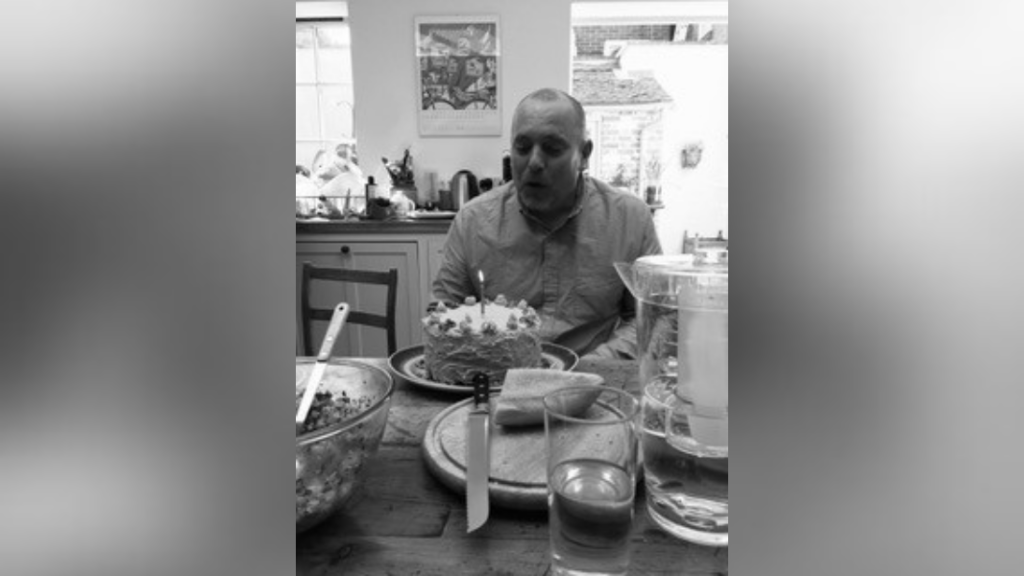
Becoming the one he depended on
After that, our roles completely reversed.
I became his power of attorney and found myself managing everything – his appointments, his bills, and the day-to-day parts of life that most people take for granted. Then he suffered a stroke, which caused severe brain damage, and overnight things became even more challenging.
I had to help him relearn how to walk, how to talk, and how to read, while also trying to hold everything else together.
His memory was unreliable, and there were times he would call me at four in the morning, confused and frightened, not knowing what day it was or what was happening.
Sometimes he would call crying because he was lonely, and other times he would beg me to buy him alcohol because he could no longer get to the shop himself.
Those moments were some of the hardest, because they forced me to constantly balance love, responsibility, and boundaries in ways I never expected to at that age.
The man behind the illness
And yet, through all of it, I never lost sight of who he was underneath the addiction.
Because he was still my dad.
In July 2023, not long before he passed, he managed to work out how to use Instagram, which felt like such a small but significant victory after everything he had been through. He sent me a meme that said, “No one in this world can love a girl more than her father,” and it couldn’t have been more true of him.
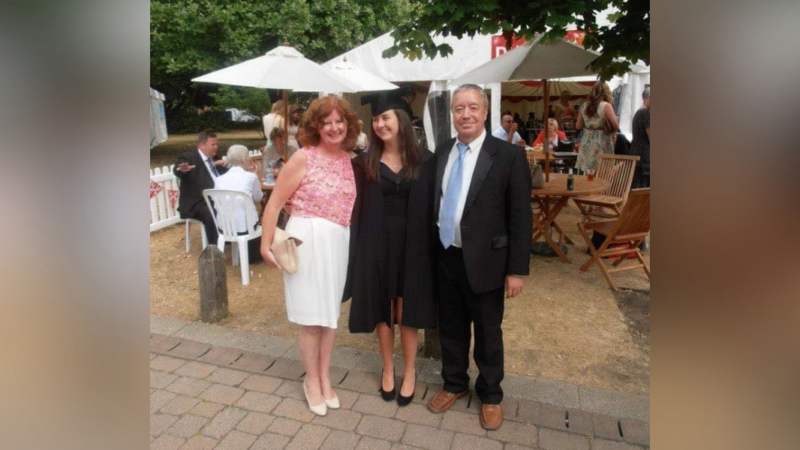
Less than a month before he died, I received my Diploma, and he messaged me saying, “Such a proud dad, love you xxxx.” No matter how much the illness took from him, he never stopped telling me how proud he was, and that is something I will carry with me forever.
On his last birthday, he asked his mum to buy me a present, instead of a gift for himself, as a way of saying thank you for everything I had done for him. That gesture, more than anything, reminded me that the man he had always been was still there.
What he’s missed – and what remains
It’s incredibly hard knowing he isn’t here to see the life I’m building, and to share in the moments we once spoke about so easily.
But I see parts of him in my son – in small expressions, in certain looks, in ways that are difficult to put into words – and that brings me a sense of comfort I didn’t expect.
The silence around it
There is also a lot of shame that comes with having a parent who struggles with alcohol, and it’s something that often goes unspoken.
You learn to minimise it, to protect them, and to avoid conversations that might make it feel too real. Over time, that silence becomes isolating, and you start to carry far more than you should on your own.
Looking back, I can see how important it is to talk to someone, to have support, and to not feel like you have to manage everything by yourself.
What I choose to hold onto
My relationship with my dad wasn’t perfect, and it was shaped in many ways by his illness, but he was never just his addiction.
He was a man who loved me deeply, who was proud of me no matter what, and who, even in his hardest moments, still tried to show that love in the ways he could.
When I think of him now, that’s who I choose to remember.
Yasmin
To read more experience stories, please go to Support & Advice.