Invisible
When I think about my childhood, the word that comes to mind is ‘invisible’.
Not because I was quiet or shy, but because there was no space to be seen. Alcohol took up all of it. It filled the house, the silences, the arguments. It filled you. And there was nothing left over for me.
I would count empty cans
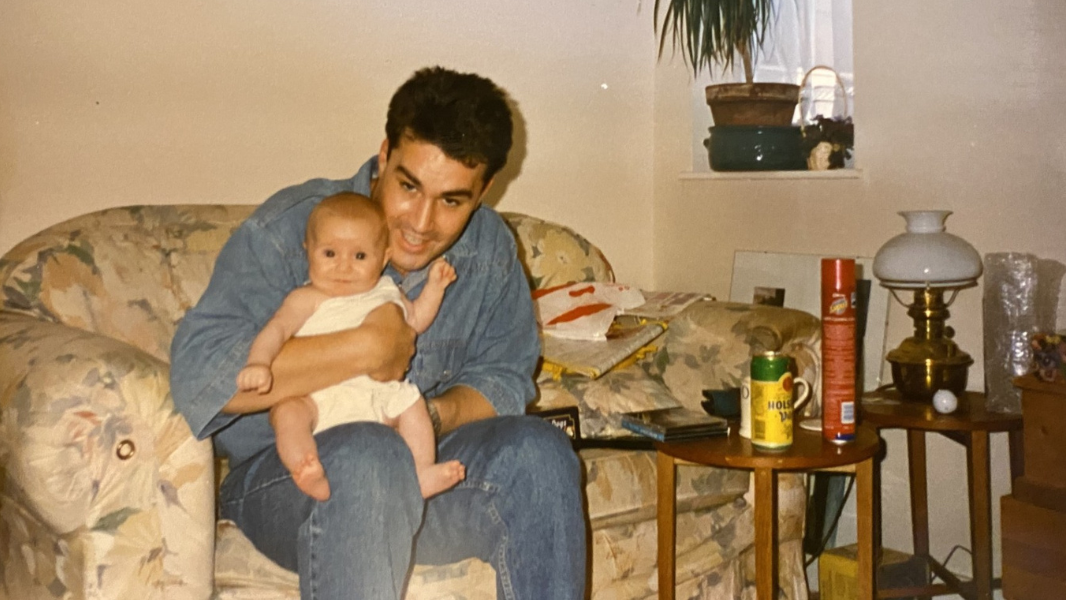
I learned early on that your drinking was bigger than everything else – bigger than me, bigger than mum, bigger than the idea of us as a family. I tried to understand it, to quantify it.
I would count the empty cans you hid in a public bin so I could gauge how bad things really were. I needed some way to make sense of something that was indecipherable.
Sometimes you would take me into the kitchen and pour alcohol down the sink, as if that moment would fix everything. I wanted to believe it would. I needed to believe that I was worth stopping for.
But it never lasted, and each time it started again, it quietly confirmed what I feared to be true: I was never enough to make you stop.
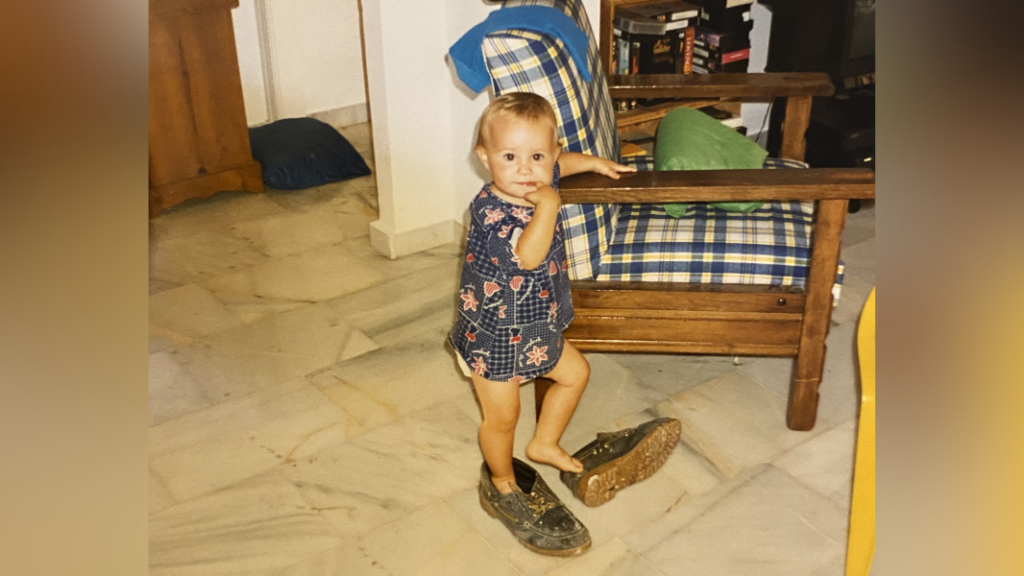
It changed the way I saw myself
That feeling followed me everywhere. Into school, into friendships, into the way I saw myself. I started to disappear in more obvious ways too.
I developed an eating disorder, shrinking myself down as if taking up less space might somehow make things easier, or safer, or more manageable. Alongside depression, these challenges stayed with me, in different forms, for 15 years.
At 10 years old, I tried to be useful instead of visible. I stayed up late at night waiting for you to come back, knowing you were drink-driving.
I was terrified you wouldn’t make it home, but even more afraid that you might hurt someone else. I used to hope that if anything happened, it would be just you crashing against a wall, so nobody else would suffer.
I became a watcher
All the while, as I waited for you to come home, I was also checking on mum to make sure she was still breathing after taking too many pills.
I became a watcher, a fixer, a quiet kind of first responder in a house that never felt stable – where I longed to be at school just for a sense of peace, and dreaded having to return home.
When things escalated, I tried to intervene. I remember taking down your wedding photo at age 10 and forcing you both to look at it, hoping it might remind you of who you used to be, or why we were a family in the first place.
I remember standing there at age 12, witnessing your face twisted in drunken anger as you headbutted mum – an image so frightening it haunted my nightmares for years.
I told people. I told friends. I told friends’ parents. I told them my mum and dad kept fighting. But I was met with the same response: “Parents argue”. And just like that, I became invisible again. My reality was rationalised and reduced to something inconsequential, something not worth a closer look.
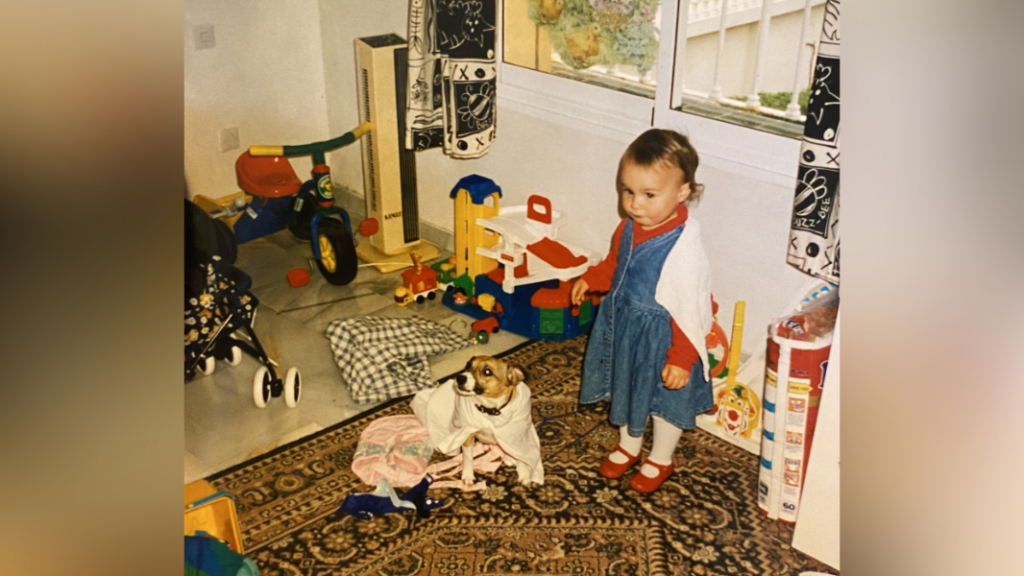
I wanted to be noticed
So, I tried harder to be seen in other ways. I would even hurt myself in small, desperate acts – picking my nose until it bled, just so both of you would stop arguing for one moment and notice that I, your daughter, was there.
It wasn’t until I was 15, when my Christmas wish was to be at the bottom of a grave, that people finally realised how much I was struggling.
Only then did I become visible enough for things to change. Only then were we allowed to cut you out, and for the first time, I, a child, was enough to be prioritised.
I grieved the dad I didn’t have
I grieved you then, even though you were still alive. I grieved the dad I didn’t have – the one who might have picked me up from school, played with me, taken us on holiday. I felt that loss every time I saw my friends with their families. I still feel it now.
After everything, I was left to piece myself back together. Trying not to count every calorie. Trying to look in the mirror without crying. Trying to grow up when I had already been forced to grow up too soon.
And then you died. Alcohol took you one final time.
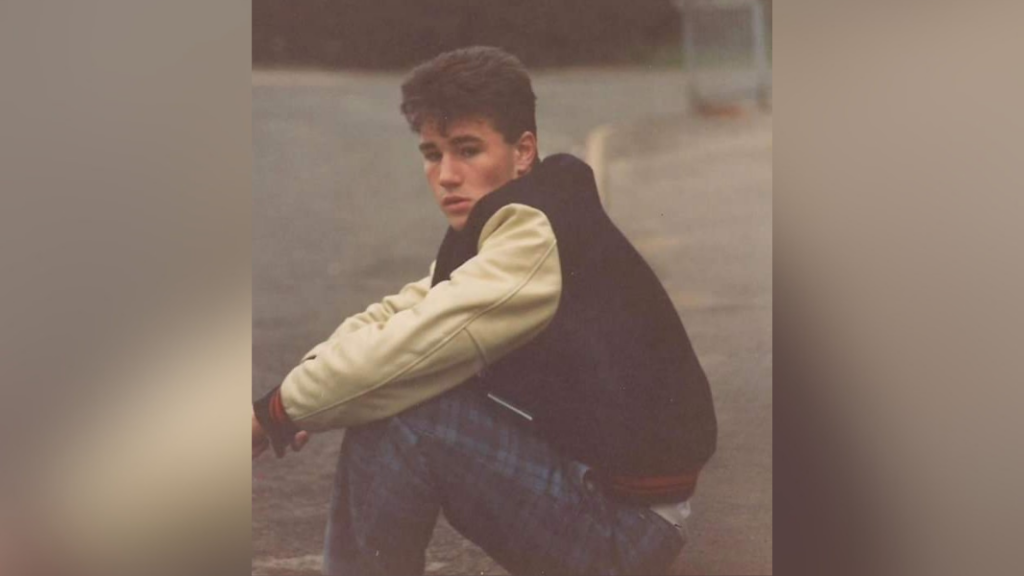
Processing my anger
At first, I felt anger. I hated that your death came so close to my birthday, that even then, the spotlight shifted back onto you. I convinced myself I was glad you were gone, because of everything you had put me through.
But that wasn’t the whole truth. I couldn’t attend your funeral; the thought of hearing people only talk about the good parts, about how you were ‘the life and soul of the party’, felt unbearable when so much of my life, and yours, had been shaped by alcohol in far darker ways.
People judged me for not going, but it was my grief to feel, and my anger, to carry. No one was looking closely enough. It was my anger to feel for nobody who had thought to take a closer look.
The grief came later. A second wave, two years on, heavier and more complicated. It felt delayed, like something I hadn’t been safe enough to feel before. Through therapy, I’ve started to process it, to understand it and to make peace with it.
Alcoholism is an illness
I understand now that alcoholism is an illness. That the man you were when you were sober might have been proud of who I’ve become. And I hold onto that.
I still wish I had you. I still wish I had a dad. I still miss something I never really had.
But I am not invisible anymore.
And I am still here.
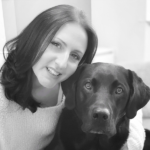
Zoe
Zoe is running the Altra Yorkshire Marathon in October to fundraise for Nacoa. Find out more and donate on her JustGiving page.
To read more experience stories, please go to Support & Advice.